Carbon Molecular Sieve vs Zeolite Molecular Sieve | Which Is Better for Nitrogen Generation?
Compare carbon molecular sieve and zeolite molecular sieve for PSA nitrogen generation. Learn the key differences, advantages, applications, and how to choose the right adsorbent for your nitrogen system.
carbon-molecular-sieve-vs-zeolite-molecular-sieve
Carbon Molecular Sieve vs Zeolite Molecular Sieve: Which Is Better for Nitrogen Generation?
When selecting adsorbent materials for industrial gas separation, many buyers ask an important question:
“What is the difference between Carbon Molecular Sieve and Zeolite Molecular Sieve?”
Both materials are widely used in PSA (Pressure Swing Adsorption) systems, but they serve different purposes and perform differently depending on the application.
Choosing the wrong adsorbent can lead to:
- Reduced nitrogen purity
- Higher energy consumption
- Lower production efficiency
- Increased operating costs
In this article, we compare Carbon Molecular Sieve (CMS) and Zeolite Molecular Sieve, explain their differences, and help industrial buyers choose the right material for PSA nitrogen generation systems.
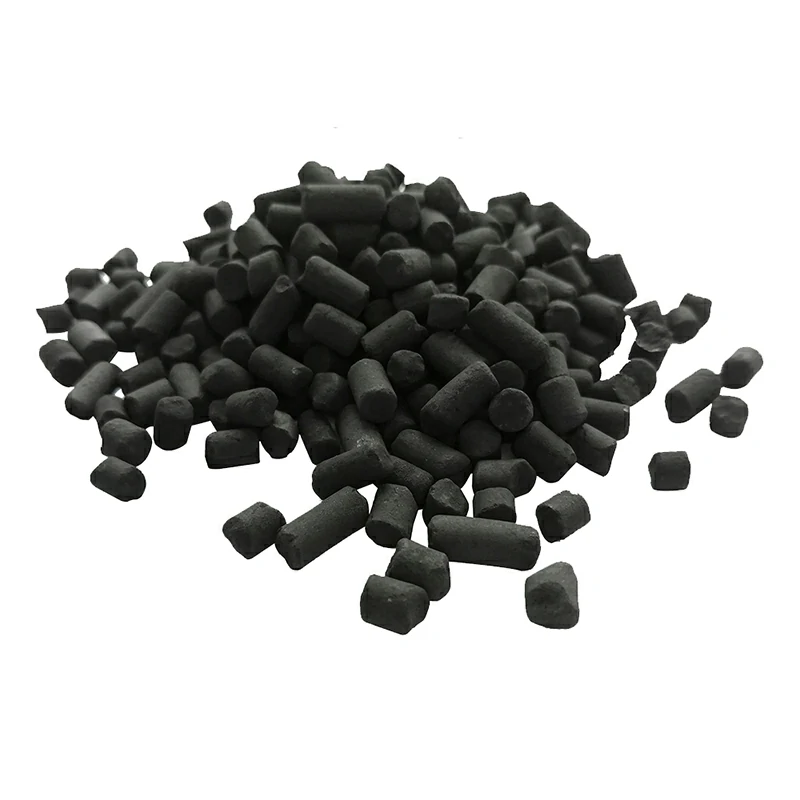
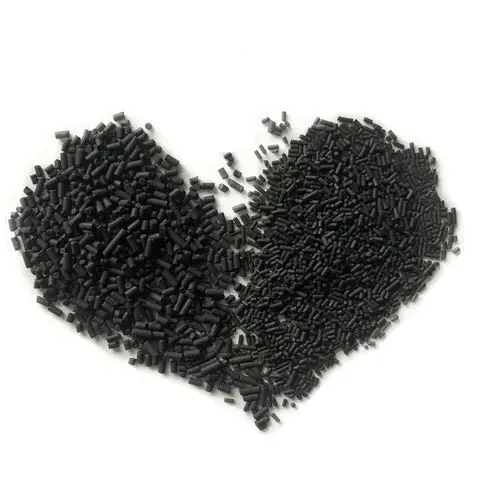
What Is Carbon Molecular Sieve?
Carbon Molecular Sieve is a carbon-based adsorbent designed mainly for nitrogen generation.
It separates oxygen and nitrogen from compressed air by selectively adsorbing oxygen molecules faster than nitrogen molecules.
CMS is widely used in:
- PSA nitrogen generators
- Laser cutting
- Food packaging
- Electronics manufacturing
- Chemical industries
- Oil and gas applications
High-quality carbon molecular sieve helps improve:
- Nitrogen purity
- Nitrogen recovery rate
- Energy efficiency
- System stability
What Is Zeolite Molecular Sieve?
Zeolite Molecular Sieve is an aluminosilicate adsorbent material with highly uniform pore structures.
Zeolite molecular sieve is commonly used for:
- Oxygen generation
- Air drying
- Gas purification
- Moisture removal
- Hydrogen purification
Different zeolite types are designed for different gas separation applications.
In PSA oxygen generators, zeolite selectively adsorbs nitrogen while oxygen passes through as the product gas.
Main Difference Between CMS and Zeolite Molecular Sieve
The biggest difference is:
Carbon Molecular Sieve is mainly used for nitrogen generation.
Zeolite Molecular Sieve is mainly used for oxygen generation and gas drying.
Although both are adsorption materials, their pore structure and adsorption behavior are completely different.
How Carbon Molecular Sieve Works
CMS separates gases based on adsorption speed differences.
During PSA nitrogen generation:
- Oxygen diffuses into CMS pores faster
- Nitrogen diffuses more slowly
- Nitrogen exits as the product gas
This process allows PSA systems to generate high-purity nitrogen continuously.
How Zeolite Molecular Sieve Works
Zeolite molecular sieve works through selective adsorption based on:
- Molecular polarity
- Molecular size
- Electrostatic attraction
In PSA oxygen generators:
- Nitrogen is adsorbed
- Oxygen passes through
Zeolite is also highly effective for moisture adsorption and gas purification.
Why Carbon Molecular Sieve Is Preferred for Nitrogen Generation
1. Higher Nitrogen Production Efficiency
Carbon molecular sieve is specifically designed for PSA nitrogen systems.
It offers:
- Faster oxygen adsorption
- Higher nitrogen recovery
- Lower air consumption
This improves overall PSA nitrogen generator efficiency.
2. Better Energy Efficiency
High-quality CMS helps reduce:
- Compressor workload
- Air consumption
- Electricity cost
For industrial nitrogen users, energy savings are extremely important because compressed air is one of the largest operating expenses.
3. Stable High-Purity Nitrogen Production
Carbon molecular sieve can produce nitrogen purity levels ranging from:
- 95%
- 99%
- 99.9%
- 99.99%
- 99.999%
depending on system design.
Industries such as:
- Electronics
- Pharmaceuticals
- Laser cutting
require stable high-purity nitrogen, making CMS the preferred choice.
4. Longer Service Life in PSA Nitrogen Systems
Professional-grade carbon molecular sieve offers:
- High mechanical strength
- Low dust generation
- Stable adsorption performance
This helps reduce:
- Maintenance cost
- Downtime
- Replacement frequency
High-quality CMS can operate for several years under proper conditions.
When Zeolite Molecular Sieve Is the Better Choice
Zeolite molecular sieve is more suitable for:
- PSA oxygen generators
- Moisture adsorption systems
- Gas drying applications
- Air purification
Zeolite is especially effective for:
- Water removal
- Carbon dioxide adsorption
- Oxygen production
For oxygen generation systems, zeolite molecular sieve performs much better than CMS.
Carbon Molecular Sieve vs Zeolite Molecular Sieve: Key Comparison
Carbon Molecular Sieve
Best for:
- Nitrogen generation
Advantages:
- High nitrogen purity
- Better nitrogen recovery
- Lower air consumption
- Energy-efficient PSA operation
Common industries:
- Food packaging
- Laser cutting
- Electronics
- Chemical plants
Zeolite Molecular Sieve
Best for:
- Oxygen generation
- Air drying
- Moisture adsorption
Advantages:
- Excellent moisture adsorption
- High oxygen separation efficiency
- Strong gas purification capability
Common industries:
- Medical oxygen systems
- Air dryers
- Gas purification plants
How to Choose the Right Adsorbent Material
Buyers should first determine:
- Required gas type
- Purity level
- Operating pressure
- Production capacity
- Energy efficiency requirements
For PSA nitrogen generation:
Carbon Molecular Sieve is generally the best choice.
For PSA oxygen generation or moisture removal:
Zeolite Molecular Sieve is more suitable.
Why CMS Quality Matters in PSA Nitrogen Systems
Not all carbon molecular sieve products perform equally.
Low-quality CMS may cause:
- Unstable nitrogen purity
- Excessive air consumption
- High dust generation
- Frequent maintenance
- Short service life
Professional manufacturers focus on:
- Stable pore structure
- Strong mechanical strength
- Low dust content
- Consistent adsorption performance
High-quality CMS significantly improves long-term operating efficiency.
Why Many Global Buyers Source CMS from China
China has become a major carbon molecular sieve production center because Chinese manufacturers can offer:
- Competitive pricing
- Large production capacity
- Flexible OEM service
- Fast export delivery
- Improved manufacturing technology
However, buyers should carefully evaluate:
- Quality consistency
- Technical support
- Manufacturing experience
- Product testing standards
instead of focusing only on low price.
Final Thoughts
Carbon Molecular Sieve and Zeolite Molecular Sieve are both important adsorption materials, but they serve different industrial purposes.
For PSA nitrogen generation systems:
Carbon Molecular Sieve is typically the preferred solution because of its:
- Higher nitrogen efficiency
- Better energy performance
- Stable nitrogen purity
- Long operational lifespan
For oxygen generation and gas drying:
Zeolite Molecular Sieve is usually the better option.
Choosing the right adsorbent material helps industrial users improve gas separation efficiency, reduce operating costs, and achieve stable long-term performance.