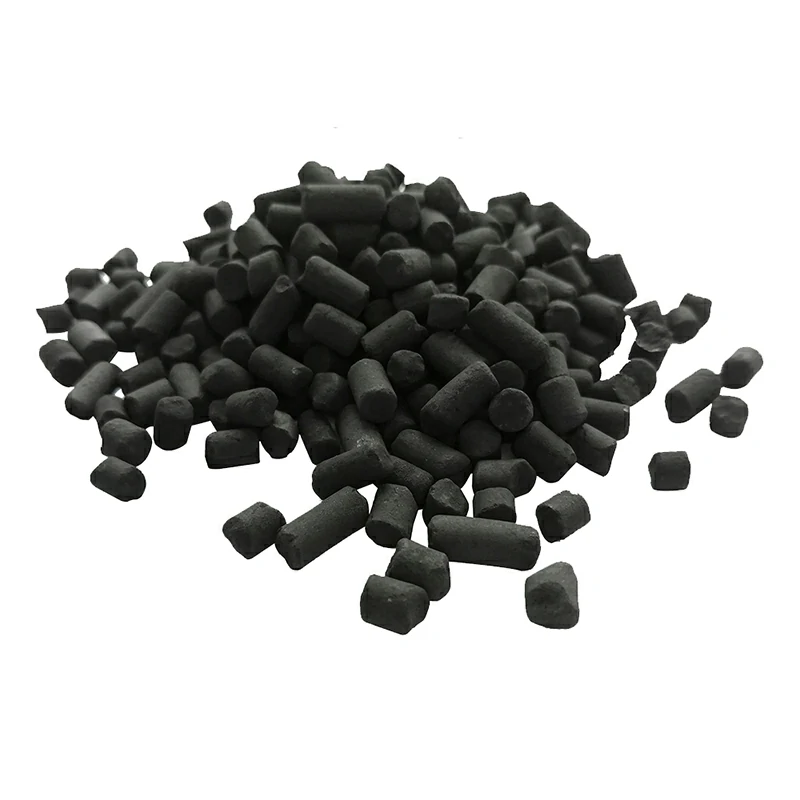
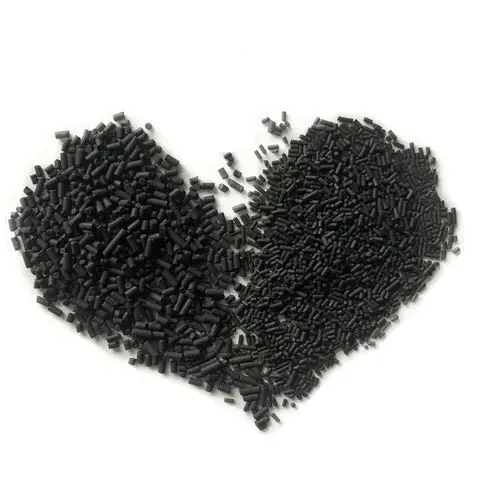
Carbon Molecular Sieve Adsorption Performance Testing | PSA Nitrogen Generator Manufacturer
Learn how to test carbon molecular sieve (CMS) adsorption performance for PSA nitrogen generators. Discover key indicators, lab methods, and on-site evaluation standards from a professional CMS manufacturer.
Carbon Molecular Sieve Adsorption Performance Testing for PSA Nitrogen Generators
As a professional carbon molecular sieve (CMS) manufacturer, we understand that adsorption performance is the core factor determining nitrogen purity, output efficiency, and service life in a PSA nitrogen generator system.
If you are sourcing carbon molecular sieve for nitrogen generation, understanding how adsorption performance is tested will help you evaluate supplier quality and ensure long-term operational stability.
In this article, we explain:
- Laboratory testing methods for carbon molecular sieve
- Key adsorption performance indicators
- On-site performance evaluation for PSA nitrogen systems
- Factors affecting CMS adsorption capacity
Why Carbon Molecular Sieve Adsorption Performance Matters
In a Pressure Swing Adsorption (PSA) nitrogen generator, carbon molecular sieve selectively adsorbs oxygen while allowing nitrogen to pass through.
The higher the oxygen adsorption capacity and selectivity, the higher the nitrogen purity and production efficiency.
Poor adsorption performance can lead to:
- Lower nitrogen purity (e.g., 99.9% dropping to 99.5%)
- Reduced nitrogen output
- Increased energy consumption
- Shortened CMS service life
That’s why adsorption performance testing is essential before delivery and during operation.
1. Laboratory Testing Methods for Carbon Molecular Sieve
Professional CMS manufacturers perform two main types of adsorption testing: static adsorption testing and dynamic adsorption testing.
1.1 Static Adsorption Test
Purpose: Measure oxygen adsorption capacity under controlled temperature and pressure.
(1) Gravimetric Method (TGA Method)
- Pre-treatment: Degas CMS at 150°C under vacuum for 4 hours
- Temperature: 25°C
- Pressure: 0.1 MPa
- Gas: Pure oxygen
Using thermogravimetric analysis (TGA), we record the weight increase after oxygen adsorption and calculate:
Static oxygen adsorption capacity (mL/g, STP)
According to industry standards, high-quality CMS should reach:
- ≥ 6.0 mL/g at 25°C and 0.1 MPa
This value reflects intrinsic micropore structure quality.
(2) Volumetric Method
- Place pretreated CMS in a sealed chamber
- Inject a known volume of oxygen
- Measure pressure drop after equilibrium
Using the ideal gas equation, we calculate oxygen adsorption capacity.
This method is ideal for generating adsorption isotherms under low-pressure conditions.
1.2 Dynamic Adsorption Test (Breakthrough Test)
Static testing shows theoretical capacity. However, dynamic adsorption testing better simulates real PSA nitrogen generator working conditions.
Fixed Bed Breakthrough Experiment
Test Conditions:
- Working pressure: 0.6 MPa
- Temperature: 25°C
- Gas: Air or O₂/N₂ mixture
- Controlled flow rate
We monitor oxygen concentration at the outlet. When oxygen concentration reaches a preset threshold (e.g., 5%), the breakthrough point is recorded.
Key data obtained:
- Dynamic oxygen adsorption capacity (≥ 4.0 mL/g under PSA conditions)
- Nitrogen-oxygen separation coefficient
- Mass transfer performance
Dynamic testing directly reflects actual nitrogen generation performance.
2. Key Performance Indicators of Carbon Molecular Sieve
When purchasing CMS for PSA nitrogen generators, you should focus on the following indicators:
2.1 Oxygen Adsorption Capacity
Static Adsorption Capacity
- ≥ 6.0 mL/g (25°C, 0.1 MPa)
Dynamic Adsorption Capacity
- ≥ 4.0 mL/g (0.6 MPa PSA condition)
Dynamic capacity is more critical for real applications.
2.2 Nitrogen-Oxygen Separation Factor
The separation factor (α) is calculated as:
α = (qO₂/qN₂) ÷ (CO₂/CN₂)
Where:
- q = adsorption amount
- C = initial gas concentration
High-quality CMS should achieve:
- Separation factor ≥ 20
This ensures high nitrogen purity (95%–99.999%).
2.3 Cycle Stability
We simulate 500 PSA cycles (adsorption → depressurization → purge → repressurization).
After testing:
- Adsorption capacity loss ≤ 5%
- Stable separation factor
Good cycle stability ensures a service life of 3–5 years under proper conditions.
2.4 Compressive Strength
Measured by single-pellet compression testing.
- Required strength ≥ 90 N/cm²
High mechanical strength prevents powdering and bed blockage in PSA towers.
3. On-Site Performance Evaluation of Carbon Molecular Sieve
Laboratory testing is essential, but real operating data provides the most direct evaluation.
3.1 Nitrogen Purity Monitoring
Using online nitrogen analyzers (thermal conductivity or gas chromatography):
If purity drops continuously (e.g., 99.9% → 99.5%), it indicates CMS adsorption degradation.
3.2 Nitrogen Output Rate
If nitrogen production decreases by more than 10% under the same pressure and purity conditions, dynamic adsorption capacity may have declined.
3.3 Pressure Drop Monitoring
If bed pressure drop increases by more than 20%, it may indicate:
- CMS powdering
- Reduced bed void fraction
- Blockage risk
Replacement is recommended.
3.4 Regeneration Efficiency
After regeneration, residual oxygen inside the tower should be ≤ 1%.
Higher residual oxygen suggests insufficient depressurization or purge flow, which reduces adsorption efficiency in the next cycle.
4. Key Factors Affecting Carbon Molecular Sieve Testing Results
Understanding these factors helps buyers evaluate supplier testing reliability:
1. Proper Degassing
Moisture can reduce adsorption capacity by 10–20%.
Gas dew point must be ≤ -40°C.
2. Temperature Control
Adsorption decreases with increasing temperature.
Testing must be controlled at 25°C ±1°C.
3. Pressure Accuracy
Higher pressure increases adsorption capacity.
Stable and calibrated pressure systems are essential.
4. Particle Uniformity
Uniform pellet size ensures accurate breakthrough curves and stable mass transfer.
How to Choose a Reliable Carbon Molecular Sieve Supplier
When selecting a carbon molecular sieve manufacturer, confirm:
- Full laboratory adsorption testing capability
- Dynamic PSA simulation testing equipment
- Batch traceability and quality control system
- Stable bulk density and pellet strength
- Export experience for global markets
As a professional CMS manufacturer and exporter, we provide:
- Complete adsorption performance reports
- Custom grades for different nitrogen purity requirements
- Stable supply for industrial, food-grade, and medical nitrogen systems
- Technical support for PSA system optimization
Conclusion
Carbon molecular sieve adsorption performance determines the success of your PSA nitrogen generator system.
By combining:
- Static adsorption testing
- Dynamic breakthrough testing
- Separation factor evaluation
- Cycle stability verification
- On-site performance monitoring
You can ensure high nitrogen purity, stable production rate, and long service life.
If you are looking for high-performance carbon molecular sieve for nitrogen generation, contact our technical team today for samples, specifications, and performance reports.
We are ready to support your nitrogen generation projects worldwide.