Carbon Molecular Sieve Adsorption Pressure Adjustment in PSA Nitrogen Generator | CMS Manufacturer Guide
Learn how to optimize adsorption pressure in PSA nitrogen generators using Carbon Molecular Sieve (CMS). Improve nitrogen purity, output, energy efficiency, and CMS lifespan. Expert guidance from a professional CMS manufacturer.
carbon-molecular-sieve-adsorption-pressure-psa-nitrogen-generator
Carbon Molecular Sieve Adsorption Pressure Adjustment in PSA Nitrogen Generators
A Technical Guide from a Professional CMS Manufacturer
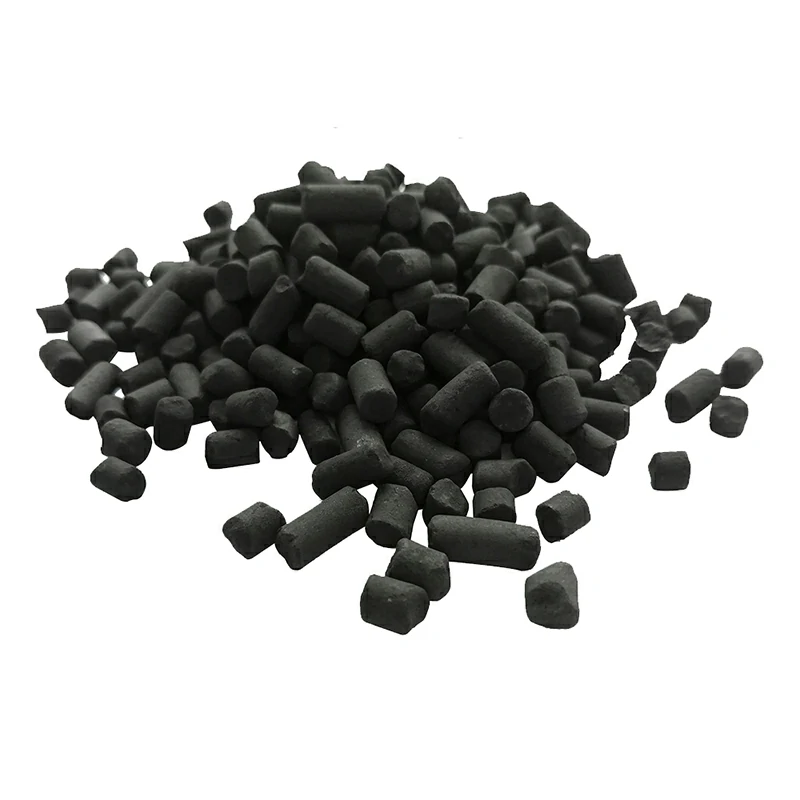
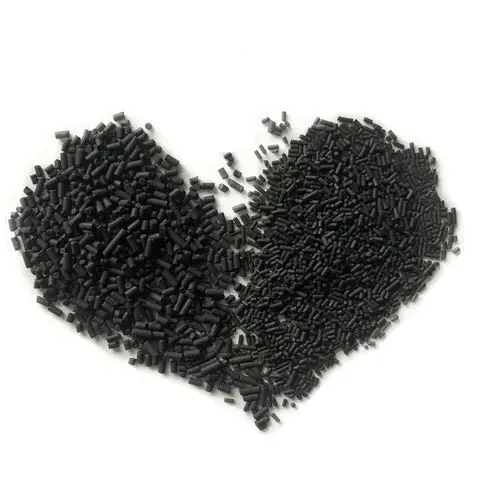
In a PSA nitrogen generator, adsorption pressure control is the most critical operating parameter affecting nitrogen purity, nitrogen output, energy consumption, and Carbon Molecular Sieve (CMS) service life.
As a professional manufacturer and global supplier of high-performance Carbon Molecular Sieve, we often receive technical inquiries from nitrogen plant operators and OEM manufacturers about optimal adsorption pressure settings.
This guide explains:
- How adsorption pressure affects PSA nitrogen production
- The ideal pressure range for different CMS grades
- Practical adjustment methods
- Common mistakes to avoid
- How proper pressure control extends CMS lifespan
1. Why Adsorption Pressure Matters in PSA Nitrogen Generators
PSA (Pressure Swing Adsorption) nitrogen generation is based on the selective adsorption properties of Carbon Molecular Sieve.
At elevated pressure:
- CMS strongly adsorbs oxygen
- Nitrogen passes through as product gas
After saturation, pressure is reduced for regeneration, releasing adsorbed oxygen and preparing the CMS for the next cycle.
Key Principle:
Higher pressure → stronger oxygen adsorption → higher nitrogen purity (within optimal range)
However:
- Too low pressure → insufficient oxygen adsorption → reduced N₂ purity
- Too high pressure → increased compressor load, higher energy cost, faster CMS degradation
Therefore, finding the correct adsorption pressure balance is essential.
2. Recommended Adsorption Pressure Range for Carbon Molecular Sieve
Different Carbon Molecular Sieve models have different pore size distributions and adsorption kinetics.
Typical ranges:
| CMS Type | Recommended Adsorption Pressure |
|---|---|
| Standard CMS | 0.6 – 1.0 MPa |
| High-performance CMS | 0.5 – 1.2 MPa |
As a CMS manufacturer, we always recommend setting the initial pressure according to:
- Target nitrogen purity (95%–99.999%)
- Required nitrogen flow rate
- Air compressor capacity
- Ambient temperature conditions
For ultra-high purity nitrogen (99.999%), slightly higher adsorption pressure is typically required.
3. Core Objectives of Adsorption Pressure Adjustment
1️⃣ Ensure Nitrogen Purity
If adsorption pressure is insufficient:
- Oxygen cannot fully occupy CMS micropores
- Oxygen content in nitrogen increases
- Purity drops
Gradual pressure increase (0.05 MPa per adjustment) is recommended until purity stabilizes.
2️⃣ Optimize Nitrogen Output and Energy Efficiency
Higher pressure increases air throughput, but also increases:
- Compressor energy consumption
- System operating cost
The optimal pressure achieves:
- Maximum nitrogen output per cycle
- Minimum kWh per Nm³ nitrogen
3️⃣ Extend Carbon Molecular Sieve Lifespan
Rapid or excessive pressure changes can cause:
- Mechanical stress
- CMS pulverization
- Dust generation
- Valve wear
We recommend:
- Pressure change rate ≤ 0.1 MPa/min
- Avoid sudden pressurization or depressurization
Proper pressure management can extend CMS service life by 20–30%.
4️⃣ Balance Adsorption and Regeneration Efficiency
Adsorption pressure and desorption pressure must be matched.
If adsorption pressure is too high while desorption pressure remains unchanged:
- Oxygen desorption becomes incomplete
- CMS regeneration efficiency decreases
- Nitrogen purity declines in subsequent cycles
Solutions:
- Adjust regeneration time
- Optimize desorption pressure
- Fine-tune cycle timing
4. Practical Steps to Adjust Adsorption Pressure
Step 1: Initial Setup
Start within manufacturer-recommended range (example: 0.7 MPa).
Record baseline:
- Nitrogen purity
- Nitrogen output
- Energy consumption
- Cycle time
Step 2: Dynamic Adjustment Strategy
If Nitrogen Purity Is Low:
- Confirm air pre-treatment system (dryness & oil removal)
- Check regeneration performance
- Increase pressure gradually (0.05 MPa increments)
- Monitor 3–5 cycles before further adjustment
If Output Is Insufficient:
- Increase adsorption pressure
- Or optimize cycle time
- Ensure regeneration remains sufficient
If Energy Consumption Is Too High:
- Reduce pressure gradually
- Confirm nitrogen purity remains within specification
If Regeneration Is Incomplete:
- Shorten adsorption time
- Improve desorption vacuum
- Avoid blindly increasing pressure
5. Key Factors Influencing Pressure Setting
1️⃣ CMS Grade Selection
Different Carbon Molecular Sieve grades respond differently to pressure variations. High-density, high-strength CMS performs better under moderate-to-high pressure cycles.
Choosing the right CMS model is as important as pressure adjustment.
2️⃣ Compressed Air Quality
High moisture or oil contamination:
- Reduces adsorption capacity
- Blocks CMS micropores
- Forces higher operating pressure
Proper air drying (−40°C dew point recommended) significantly improves stability.
3️⃣ Ambient Temperature
Higher temperature reduces adsorption capacity.
In high-temperature regions:
- Slightly higher adsorption pressure may be required
- Cooling systems improve efficiency
6. Common Mistakes in PSA Nitrogen Pressure Adjustment
❌ “Higher pressure always means better purity.”
→ False. Excessive pressure increases energy cost and damages CMS structure.
❌ “Lower pressure saves energy.”
→ Not necessarily. Poor adsorption may require longer cycles and reduce productivity.
❌ Ignoring system linkage.
→ Adsorption pressure, regeneration pressure, and cycle time must be optimized together.
7. Why High-Quality Carbon Molecular Sieve Makes Pressure Control Easier
High-performance CMS provides:
- Faster adsorption kinetics
- Higher oxygen selectivity
- Better mechanical strength
- Longer service life
- Stable performance under variable pressure cycles
As an experienced Carbon Molecular Sieve manufacturer, we design CMS products specifically for:
- PSA nitrogen generators
- Nitrogen plant OEM manufacturers
- Industrial gas distributors
- On-site nitrogen generation systems
Our CMS offers:
✔ High nitrogen recovery rate
✔ Stable 99%–99.999% purity support
✔ Low dust formation
✔ Strong compressive strength
✔ Competitive bulk pricing
8. Final Recommendation
Optimizing adsorption pressure is not about simply increasing or decreasing numbers. It is about balancing:
- Nitrogen purity
- Nitrogen flow rate
- Energy efficiency
- CMS lifetime
- System stability
With the right Carbon Molecular Sieve and proper pressure control strategy, your PSA nitrogen generator can achieve maximum efficiency and long-term reliability.
Looking for Reliable Carbon Molecular Sieve for Your PSA Nitrogen Generator?
We supply premium-grade Carbon Molecular Sieve for:
- 95%–99.999% nitrogen production
- Small, medium, and large PSA systems
- OEM customization
- Global export with technical support
Contact us today to receive:
- Free technical consultation
- CMS model recommendation
- Competitive quotation
- Sample testing support