Carbon Molecular Sieve Dust in PSA Nitrogen Generators | Causes & Solutions
Does carbon molecular sieve produce dust in PSA nitrogen generators? Learn the causes, effects, and professional control solutions from a carbon molecular sieve manufacturer. Improve nitrogen purity and extend CMS lifespan.

Does Carbon Molecular Sieve Produce Dust in PSA Nitrogen Generators?
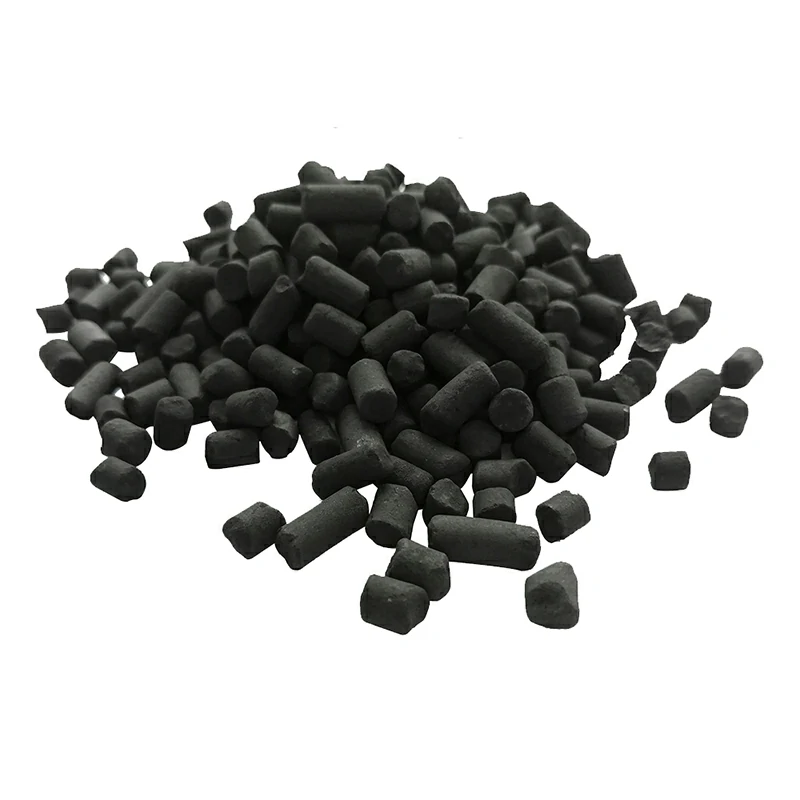
Carbon Molecular Sieve (CMS) is the core adsorbent material used in PSA (Pressure Swing Adsorption) nitrogen generators. It enables efficient nitrogen separation by selectively adsorbing oxygen, CO₂, and other gases from compressed air.
However, many industrial buyers ask:
Does carbon molecular sieve generate dust during operation?
As a professional carbon molecular sieve manufacturer, we provide a detailed explanation of dust formation causes, operational risks, and proven solutions to help you improve nitrogen purity, system stability, and CMS lifespan.
1. Can Carbon Molecular Sieve Produce Dust?
Yes — but under controlled operating conditions, high-quality carbon molecular sieve produces minimal dust within industry standards.
CMS is a porous carbon-based granular material. Due to its physical structure, limited powder generation may occur under:
-
Long-term pressure cycling
-
Improper operation
-
Low-quality CMS materials
-
Mechanical aging
With proper system design and premium CMS, dust emission can typically be controlled below 0.1 mg/m³, meeting industrial safety and environmental standards.
2. Main Causes of Carbon Molecular Sieve Dust Formation
2.1 Pressure Swing Fatigue (PSA Cycling)
PSA nitrogen generators operate through repeated:
-
Pressurization (adsorption)
-
Depressurization (desorption)
Frequent pressure fluctuations cause slight expansion and contraction of CMS particles. Over time, this mechanical stress can lead to surface abrasion and micro-fracturing.
Excessive gas velocity inside the adsorption tower may also cause:
-
Particle collision
-
Wall impact
-
Granule breakage
Recommended control values:
-
Gas velocity ≤ 0.15 m/s
-
Pressurization rate ≤ 0.05 MPa/s
-
Depressurization rate ≤ 0.08 MPa/s
2.2 Low Mechanical Strength CMS
Not all carbon molecular sieve products are equal.
Low-grade CMS often has:
-
Crushing strength below 200 N/particle
-
Uneven pore structure
-
Internal structural defects
-
High abrasion rate
These weaknesses significantly increase dust generation under PSA cycling.
High-quality CMS should meet:
-
Crushing strength ≥ 300 N/particle
-
Abrasion rate ≤ 0.5%
-
Uniform microporous structure
As a manufacturer, we strictly control raw material selection and carbonization processes to ensure superior mechanical durability.
2.3 Poor PSA System Design
Improper nitrogen generator design can accelerate CMS powdering, including:
-
Uneven air distribution
-
Damaged support grids
-
Sudden pressure spikes
-
Frequent start-stop operations
Localized high airflow can rapidly wear CMS particles, reducing service life.
2.4 Aging and Service Life Expiration
The typical service life of carbon molecular sieve is 3–5 years, depending on operating conditions.
As CMS ages:
-
Mechanical strength decreases
-
Pore blockage increases
-
Adsorption efficiency declines
-
Dust production rises
Timely replacement prevents excessive powder formation and nitrogen purity drop.
3. Effects of Carbon Molecular Sieve Dust
3.1 Reduced Nitrogen Purity
Dust accumulation can:
-
Block airflow channels
-
Increase pressure drop
-
Reduce adsorption efficiency
Nitrogen purity may drop from 99.99% to below 99.5%.
3.2 Valve and Pipeline Damage
Fine carbon particles may enter:
-
Pneumatic valves
-
Pipelines
-
Post-treatment filters
This can cause:
-
Valve sticking
-
Increased maintenance cost
-
Unexpected shutdowns
3.3 Health & Environmental Concerns
Although carbon molecular sieve is non-toxic, airborne carbon dust may irritate the respiratory system if released into the working environment.
Proper filtration eliminates this risk.
4. Professional Solutions to Control CMS Dust
As a trusted carbon molecular sieve supplier, we recommend the following strategies:
4.1 Choose High-Strength Carbon Molecular Sieve
The most effective solution begins with material quality.
Our CMS products feature:
-
Crushing strength ≥ 300 N/particle
-
Low abrasion rate
-
Optimized pore distribution
-
Stable nitrogen output (95%–99.999%)
High mechanical strength directly reduces powder generation and extends operational life.
4.2 Optimize PSA System Operation
Key operational guidelines:
-
Maintain stable pressure ramp rates
-
Avoid frequent start-stop cycles
-
Ensure uniform airflow distribution
-
Regularly inspect tower internals
Professional system tuning significantly extends CMS lifespan.
4.3 Install Multi-Stage Filtration
A properly designed nitrogen generation system should include:
-
Air inlet pre-filter
-
CMS dust filter at adsorption tower outlet
-
Final nitrogen polishing filter
Monitor filter pressure drop and replace filter elements when differential pressure exceeds 0.02 MPa.
4.4 Regular Monitoring & Maintenance
We recommend periodic checks of:
-
Nitrogen purity
-
Pressure drop across adsorption tower
-
System airflow stability
Sudden purity decline or pressure increase often indicates CMS degradation.
Replace CMS proactively before severe powdering occurs.
5. Why High-Quality Carbon Molecular Sieve Matters
For PSA nitrogen generator manufacturers and industrial gas users, CMS quality directly determines:
-
Nitrogen purity stability
-
Energy efficiency
-
Maintenance frequency
-
Total operating cost
Investing in premium carbon molecular sieve reduces downtime and improves ROI.
Conclusion
Carbon molecular sieve dust formation is preventable and controllable.
With:
-
High-strength CMS
-
Optimized PSA design
-
Stable pressure management
-
Proper filtration and monitoring
Dust emissions can be minimized, nitrogen purity maintained, and service life extended.
As an experienced carbon molecular sieve manufacturer, we provide:
-
High-performance CMS for PSA nitrogen generators
-
Custom particle sizes
-
Stable supply for OEM nitrogen generator manufacturers
-
Technical support for system optimization
If you are looking for reliable carbon molecular sieve for nitrogen generation, feel free to contact us for specifications, samples, and bulk pricing.