Carbon Molecular Sieve Maintenance for Nitrogen Generators | PSA Nitrogen System Optimization Guide
Learn why carbon molecular sieve maintenance is critical for PSA nitrogen generators. Improve nitrogen purity, extend CMS lifespan, and reduce costs with expert tips from a professional manufacturer.
Why Carbon Molecular Sieve Maintenance Is Essential for PSA Nitrogen Generators
As a professional manufacturer of carbon molecular sieve (CMS) and PSA nitrogen generation systems, we often see one critical issue affecting performance: lack of proper maintenance.
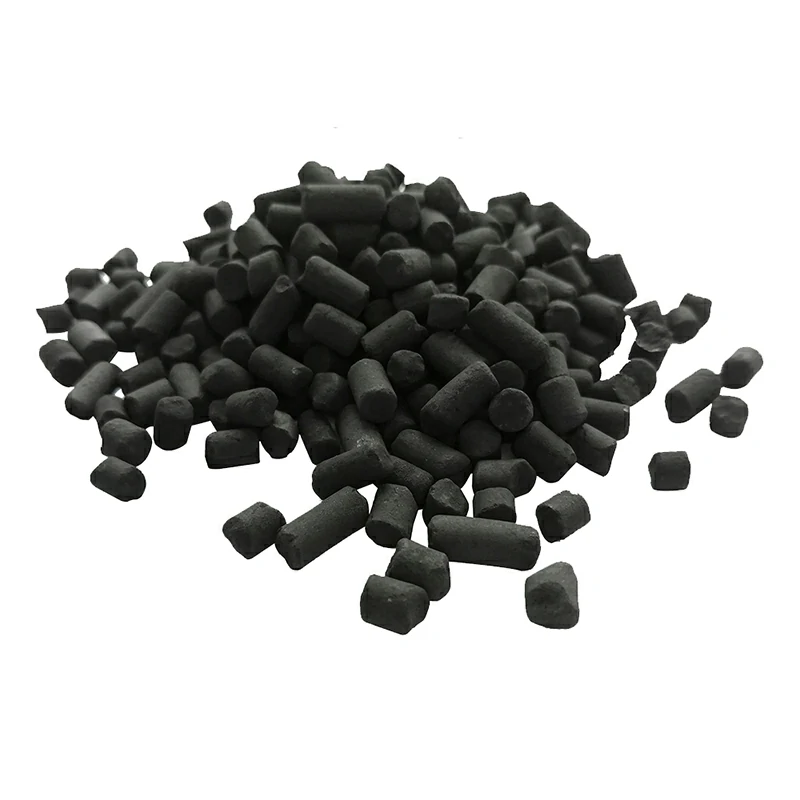
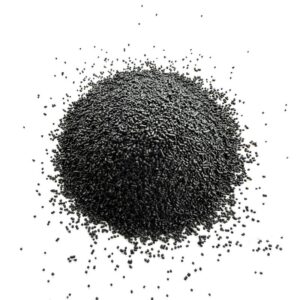
Carbon molecular sieve is the core material inside a PSA (Pressure Swing Adsorption) nitrogen generator, directly determining nitrogen purity, output capacity, and system stability. Without regular maintenance, even the highest-quality CMS will gradually lose efficiency—leading to increased costs and production risks.
In this guide, we explain why CMS maintenance is essential, what causes performance degradation, and how proper servicing can maximize your system’s ROI.
How Carbon Molecular Sieve Works in Nitrogen Generators
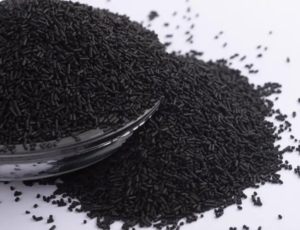
PSA nitrogen generators separate oxygen and nitrogen using the difference in molecular size and adsorption capacity.
- Under pressure: CMS preferentially adsorbs oxygen
- Under depressurization: oxygen is released (regeneration)
- Continuous cycling produces high-purity nitrogen
This process runs thousands of cycles daily, which naturally leads to wear and contamination over time.
Main Causes of Carbon Molecular Sieve Degradation
1. Contamination: Moisture, Oil, and Dust
Compressed air impurities are the biggest threat to CMS performance:
- Moisture blocks micropores and can cause irreversible “water poisoning”
- Oil vapor forms a film on CMS surfaces, preventing oxygen adsorption
- Dust particles clog internal channels
Without proper filtration, CMS performance can drop by over 50% within 3–6 months.
2. Mechanical Wear and Powdering
During PSA operation, constant airflow and pressure changes cause:
- Particle friction and collision
- CMS breakage and powder formation
- Increased pressure drop and airflow resistance
Fine powder can also damage downstream components like valves and sensors.
3. Incomplete Regeneration
Over time, heavy hydrocarbons and stubborn impurities accumulate:
- Not fully removed during normal depressurization
- Gradually occupy adsorption sites
- Lead to permanent performance loss
Why Regular CMS Maintenance Matters
1. Maintain Nitrogen Purity and Output
Proper maintenance restores adsorption efficiency:
- Clean micropores
- Remove contaminants
- Optimize regeneration
This ensures stable nitrogen purity (e.g., 99.9%–99.999%) for critical industries such as food packaging, electronics, and chemical processing.
2. Prevent Equipment Failure
Routine inspection helps:
- Detect CMS powdering early
- Prevent blockage and valve damage
- Avoid unexpected shutdowns
3. Extend CMS Service Life
Without maintenance:
- CMS lifespan: 2–3 years
With proper maintenance:
- CMS lifespan: 5–8 years
This significantly reduces replacement costs, as CMS can account for 30–50% of system value.
4. Ensure Continuous Production
Stable nitrogen supply is critical for many industries:
- Chemical plants (inert protection)
- Food packaging (shelf-life control)
- Electronics manufacturing
Regular maintenance prevents sudden drops in nitrogen purity that could disrupt production.
Key Carbon Molecular Sieve Maintenance Practices
1. Maintain the Air Pretreatment System
Every 3–6 months:
- Replace air filters (water & oil removal)
- Ensure:
- Dew point ≤ -40°C
- Oil content ≤ 0.01 ppm
This is the first line of defense for CMS protection.
2. Monitor Bed Pressure Drop
Every 6–12 months:
- Check pressure difference across the CMS bed
- If pressure rises >15%:
- Inspect for powdering
- Remove dust or partially replace CMS
3. Test Nitrogen Purity Regularly
Weekly monitoring:
- If purity drops:
- Adjust adsorption time
- Extend regeneration cycle
- Increase purge flow
4. Perform Deep Regeneration
Every 1–2 years:
- High-temperature purge (150–200°C)
- Vacuum regeneration (if applicable)
This removes deeply trapped moisture and hydrocarbons.
5. Full Bed Replacement & Cleaning
Every 2–3 years:
- Remove degraded CMS
- Clean dust and broken particles
- Refill to proper bed height
Manufacturer’s Recommendation
As a trusted CMS supplier, we strongly recommend integrating preventive maintenance into your nitrogen generation system management.
This approach will help you:
- Improve nitrogen purity stability
- Reduce downtime and maintenance costs
- Extend CMS and equipment lifespan
- Maximize long-term operational efficiency
Looking for High-Performance Carbon Molecular Sieve?
We supply premium-grade carbon molecular sieve designed for:
- High nitrogen purity output
- Long service life
- Strong resistance to moisture and mechanical wear
Contact us today to get expert recommendations tailored to your PSA nitrogen generator system.
Conclusion
Carbon molecular sieve is not just a consumable—it’s the heart of your nitrogen generator. Regular maintenance is the key to unlocking its full potential and ensuring consistent, cost-effective nitrogen production.
Invest in maintenance today to avoid costly failures tomorrow.