When to Replace Carbon Molecular Sieve in Nitrogen Generators | PSA Nitrogen Plant Guide
Learn how to identify when carbon molecular sieve needs replacement in PSA nitrogen generators. Improve nitrogen purity, output, and efficiency with expert manufacturer insights.
When Should You Replace Carbon Molecular Sieve in a PSA Nitrogen Generator?
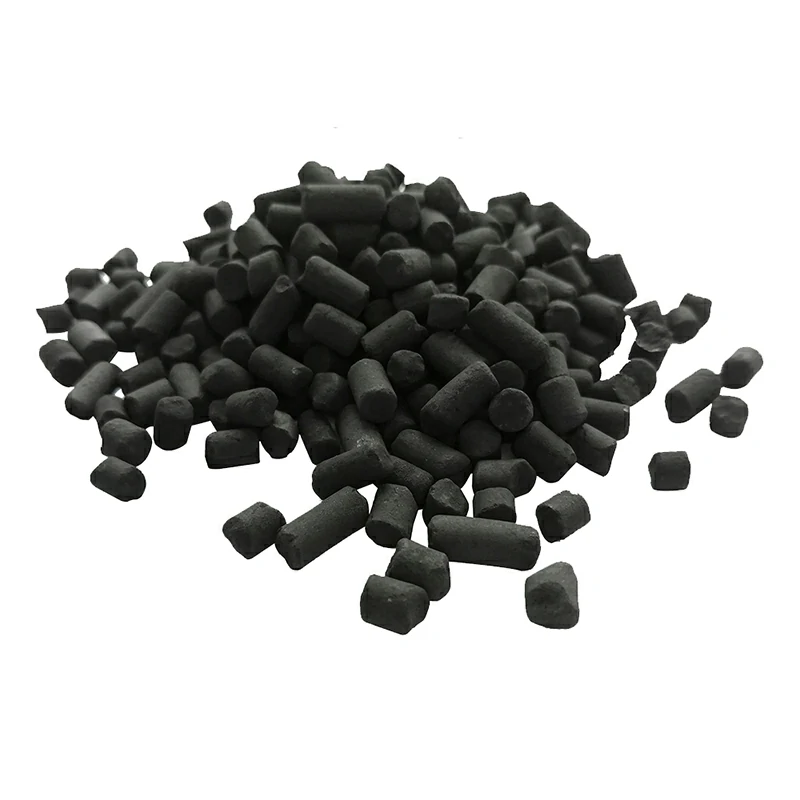
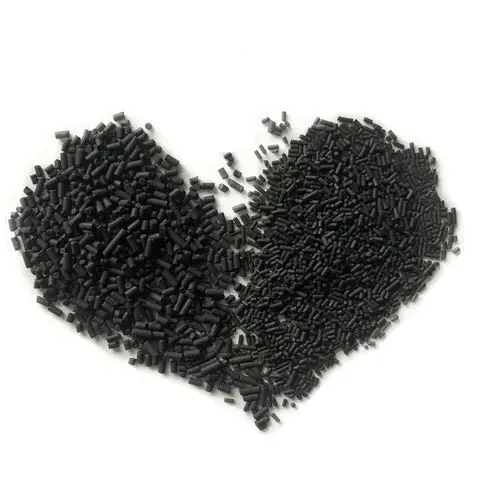
As a professional manufacturer of PSA nitrogen generators, we know that carbon molecular sieve (CMS) is the heart of your nitrogen production system. Its performance directly impacts nitrogen purity, output flow, and overall system efficiency.
Failing to replace degraded CMS in time can lead to increased energy costs, unstable production, and even unexpected downtime.
In this guide, we’ll walk you through 6 key signs that indicate it’s time to replace your carbon molecular sieve, helping you maintain optimal performance and reduce operational risks.
1. Nitrogen Purity Drops Below Design Specification
One of the most obvious signs of CMS degradation is a decline in nitrogen purity.
Watch for:
- Nitrogen purity consistently below target (e.g., designed 99.9% but stuck at 99.2%)
- Large fluctuations in purity during operation
- Shortened adsorption cycles to maintain purity
This typically means:
- CMS pores are blocked by contaminants
- Adsorption capacity for oxygen has significantly decreased
2. Reduced Nitrogen Output Flow Rate
If your nitrogen generator produces 15% or more less output under the same conditions, CMS aging is a likely cause.
Example:
- Designed: 10 Nm³/h
- Actual: 7–8 Nm³/h
Even increasing air supply won’t restore output.
Root cause:
- Reduced adsorption surface area
- Structural collapse or pore blockage inside CMS
3. Abnormal Pressure Fluctuations in Adsorption Towers
Stable pressure cycling is critical in PSA systems. If you notice irregularities, it may indicate CMS damage.
Common symptoms:
- Higher-than-normal adsorption pressure
- Incomplete depressurization during regeneration
- Increased airflow resistance or unusual noise
Likely reason:
- CMS powdering or fragmentation
- Internal blockage in pipelines or valves
4. CMS Reaching End of Service Life
Under normal conditions, carbon molecular sieve lasts 3–5 years.
Lifespan depends on:
- Air quality (moisture, oil, dust)
- Operating stability
- Maintenance practices
| Operating Condition | Expected CMS Life |
|---|---|
| Clean & dry air | 5+ years |
| Poor air quality | 2–3 years |
👉 Recommendation:
If your system has been running for over 3 years, start planning replacement—especially if performance starts declining.
5. Contamination from Moisture, Oil, or Dust
CMS is extremely sensitive to contamination.
Common contamination sources:
- High moisture (no air dryer or high dew point)
- Oil vapor from compressors
- Dust due to inadequate filtration
Signs of contamination:
- Frequent filter replacements
- Dew point above -40°C
- Rapid performance deterioration
Important:
Contaminated CMS usually suffers irreversible damage and must be replaced.
6. Performance Comparison Testing
If you’re unsure, testing provides a clear answer.
Methods:
- Before & after comparison: Replace CMS and compare purity/output
- Lab analysis: Measure surface area and adsorption capacity
Replacement is necessary if:
- Performance drops more than 20%
- Adsorption capacity decreases by 30%+
How to Extend Carbon Molecular Sieve Life
As a manufacturer, we strongly recommend:
✔ Install high-quality air dryers and filters
✔ Maintain low dew point (< -40°C)
✔ Prevent oil contamination
✔ Avoid frequent start/stop cycles
✔ Perform regular system inspections
These practices can significantly extend CMS lifespan and reduce replacement costs.
Final Thoughts
Replacing carbon molecular sieve at the right time is critical for:
- Maintaining stable nitrogen purity
- Ensuring maximum output efficiency
- Reducing energy consumption
- Avoiding unexpected downtime
If you notice any of the signs above, it’s time to evaluate your CMS condition.
Looking for High-Quality Carbon Molecular Sieve?
As a trusted manufacturer, we supply:
- High-performance CMS for PSA nitrogen generators
- Customized solutions based on your system
- Technical support for replacement and optimization
Contact us today to improve your nitrogen generation efficiency and reduce operating costs.