Carbon Molecular Sieve Maintenance Guide for PSA Nitrogen Generators | Extend CMS Lifespan 30%+
Learn how to properly maintain carbon molecular sieve (CMS) in PSA nitrogen generators. Discover expert tips from a professional CMS manufacturer to extend service life to 5–8 years, improve nitrogen purity, and reduce replacement costs.
Carbon Molecular Sieve Maintenance Guide for PSA Nitrogen Generators
How to Extend CMS Service Life by 30%+ – Expert Advice from a Professional Manufacturer
As a professional carbon molecular sieve (CMS) manufacturer, we are often asked:
How can we extend the lifespan of carbon molecular sieve in PSA nitrogen generators?
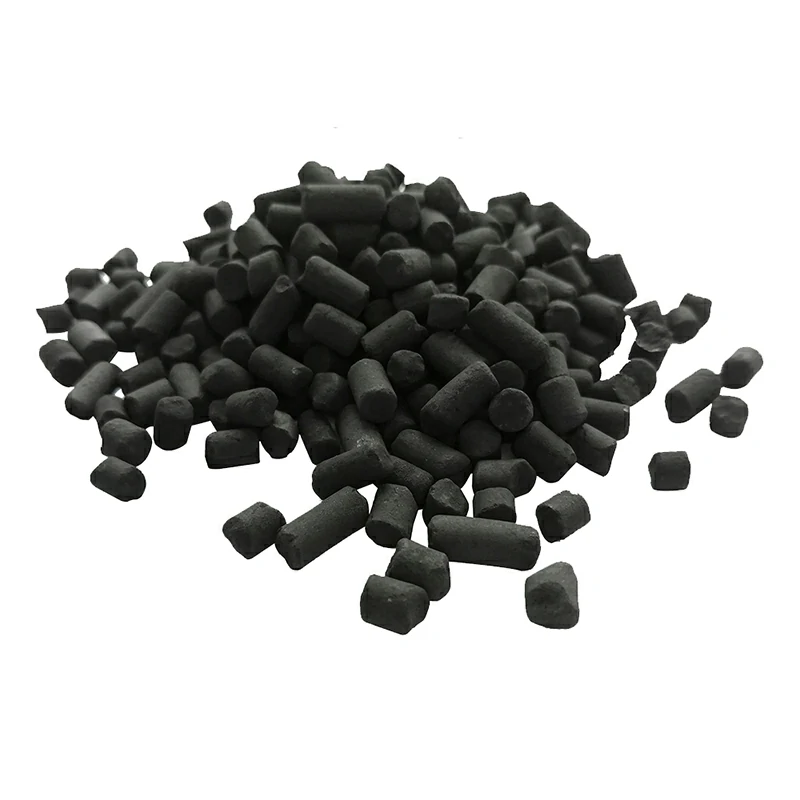
Carbon molecular sieve is the core adsorbent material inside a PSA (Pressure Swing Adsorption) nitrogen generator. Its microporous structure selectively adsorbs oxygen, allowing nitrogen to pass through and achieve high nitrogen purity levels up to 99.999%.
However, CMS lifespan is highly affected by air quality, operating conditions, and maintenance practices. With proper maintenance, the service life can be extended from the standard 3–5 years to 5–8 years, significantly reducing operating costs and replacement frequency.
Below, we share professional maintenance recommendations based on years of manufacturing and field experience.
1. Protect Carbon Molecular Sieve from Oil, Water & Dust
The Three Major Enemies of CMS
In compressed air systems, the biggest threats to carbon molecular sieve are:
- Oil vapor → causes irreversible pore blockage (poisoning)
- Moisture → reduces adsorption capacity
- Dust particles → physically block micropores
If untreated air enters the nitrogen generator, CMS performance will degrade rapidly.
Recommended Actions
✔ Replace Filters Regularly
- Precision filter (0.1 μm): every 3–6 months
- Activated carbon filter: every 6–12 months
- Desiccant (alumina) in air dryer: inspect yearly
Ensure compressed air dew point ≤ –40°C.
✔ Install Monitoring Instruments
We strongly recommend installing:
- Oil content analyzer (≤ 0.01 mg/m³)
- Dew point meter (≤ –40°C)
If limits are exceeded, stop operation immediately and inspect:
- Air dryer drainage system
- Activated carbon saturation
- Compressor oil carryover
Clean air = longer CMS lifespan.
2. Control Inlet Air Temperature, Pressure & Flow
Operating stability directly affects carbon molecular sieve durability.
✔ Temperature Control
Carbon molecular sieve adsorption capacity decreases as temperature rises.
For every 10°C increase, adsorption capacity drops by approximately 15%.
Keep inlet air temperature ≤ 40°C.
Recommended measures:
- Install aftercoolers
- Clean dryer condensers regularly
- Ensure good ventilation in compressor rooms
✔ Stable Operating Pressure
Avoid pressure fluctuations beyond ±0.05 MPa.
Sudden pressure shocks can:
- Cause CMS particle friction
- Lead to powdering
- Increase bed pressure drop
Use:
- Stable air compressor output
- Buffer tanks for pressure stabilization
✔ Avoid Overloading
Never exceed 110% of rated flow capacity.
Overloading results in:
- Incomplete adsorption
- Oxygen accumulation
- Accelerated CMS fatigue
3. Optimize PSA Nitrogen Generator Operation
Proper PSA cycle control is essential for long-term carbon molecular sieve performance.
✔ Proper Switching Time
Typical PSA cycle time: 60–120 seconds.
- Too short → incomplete regeneration
- Too long → adsorbent saturation
Cycle parameters should match nitrogen purity requirements and remain stable.
✔ Back Purge Optimization
Back purge pressure should be 30–50% of inlet pressure.
Adequate purge ensures:
- Complete oxygen desorption
- Elimination of residual contaminants
- Prevention of “memory effect”
Poor regeneration dramatically shortens CMS service life.
4. Proper Shutdown Protection for Carbon Molecular Sieve
Incorrect shutdown procedures can severely damage CMS.
✔ Long-Term Shutdown (>7 days)
Fill the adsorption tower with ≥99.9% nitrogen at 0.2–0.3 MPa to prevent moisture and oxidation.
✔ Short-Term Shutdown (1–7 days)
Maintain slight positive pressure (0.05 MPa).
✔ Emergency Shutdown
Immediately:
- Close air inlet valve
- Fill system with nitrogen protection
Moisture exposure during downtime is a leading cause of CMS failure.
5. Regular Inspection & Performance Monitoring
✔ Check Pressure Drop Quarterly
Normal bed pressure drop ≤ 0.03 MPa.
Sudden increase may indicate:
- CMS powdering
- Channeling
- Dust blockage
✔ Monitor Nitrogen Purity Monthly
If purity drops (e.g., from 99.99% to 99.5%), inspect:
- CMS aging
- Valve leakage
- Air pretreatment system
✔ Valve Leakage Inspection
PSA switching valves must be checked quarterly. Seal failure leads to:
- Incomplete adsorption
- Reduced nitrogen purity
- Higher CMS wear
6. Additional Best Practices to Extend CMS Lifespan
- Avoid rust contamination in pipelines
- Install pre-filters if needed
- Prevent sudden high-temperature air surges
- Never operate beyond system design limits
How Long Should Carbon Molecular Sieve Last?
| Maintenance Level | Expected CMS Lifespan |
|---|---|
| Poor maintenance | 2–3 years |
| Standard maintenance | 3–5 years |
| Optimized maintenance | 5–8 years |
With proper care, CMS replacement frequency can be reduced by over 30%.
Why Choosing High-Quality Carbon Molecular Sieve Matters
Maintenance is important — but quality at the source is even more critical.
As an experienced carbon molecular sieve manufacturer, we provide:
- High crush strength to reduce powdering
- Narrow pore size distribution for stable nitrogen purity
- Low dust content
- Strict quality control testing
- Custom solutions for different PSA nitrogen generator systems
High-quality CMS + proper maintenance = maximum ROI.
Looking for Reliable Carbon Molecular Sieve for Your PSA Nitrogen Generator?
If you are:
- A nitrogen generator manufacturer
- An industrial gas company
- A PSA system integrator
- Or planning to replace existing CMS
We are ready to support your project with:
✔ Stable nitrogen purity performance
✔ Long service life
✔ Competitive factory pricing
✔ Fast global delivery
Contact us today for technical consultation or a free sample evaluation.
Let’s help you maximize the performance and lifespan of your PSA nitrogen generator system.