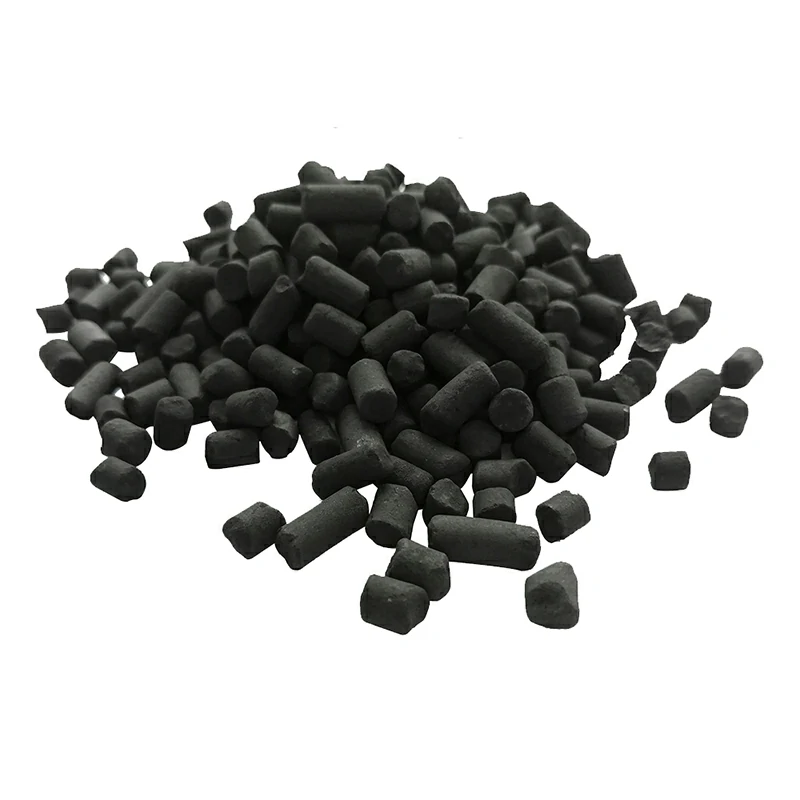
Carbon Molecular Sieve Moisture Protection Guide | PSA Nitrogen Generator Manufacturer
Learn how to prevent moisture damage in Carbon Molecular Sieve (CMS) for PSA nitrogen generators. Expert protection strategies from a professional CMS manufacturer to ensure long service life, stable nitrogen purity, and lower operating costs.
Carbon Molecular Sieve Moisture Protection Strategies for PSA Nitrogen Generators
As a professional Carbon Molecular Sieve (CMS) manufacturer, we understand that moisture is the #1 factor affecting the performance and lifespan of CMS used in PSA nitrogen generators. Proper moisture control directly determines nitrogen purity, system stability, and overall operational cost.
In this guide, we share practical, field-proven strategies to protect your Carbon Molecular Sieve for PSA nitrogen generation, ensuring long-term reliability and maximum ROI.
Why Moisture Is the Biggest Threat to Carbon Molecular Sieve
Carbon Molecular Sieve (CMS) is the core adsorbent in Pressure Swing Adsorption (PSA) nitrogen generators. Its micropore size (approximately 0.3–0.5 nm) is precisely engineered to selectively adsorb oxygen (0.346 nm) while allowing nitrogen (0.364 nm) to pass through.
However, water vapor has a much stronger adsorption affinity than oxygen. When moisture enters the CMS bed:
- Water molecules occupy active adsorption sites
- Oxygen adsorption capacity drops significantly
- Nitrogen purity decreases
- CMS particles may agglomerate or pulverize
- Bed pressure drop increases
- Energy consumption rises
- Equipment failure risks increase
Long-term moisture exposure can permanently damage the internal pore structure, reducing the service life of the Carbon Molecular Sieve.
Main Causes of Carbon Molecular Sieve Moisture Damage
1. Compressed Air Pretreatment Failure
The most common cause is insufficient air drying before the PSA system.
If the compressed air contains excess:
- Water vapor
- Oil mist
- Dust
Moisture will directly enter the adsorption tower.
Typical failure points include:
- Refrigerated air dryer outlet dew point above -20°C
- Desiccant air dryer saturation without timely regeneration
- Blocked or overdue filter replacement
For optimal CMS protection, compressed air dew point should reach ≤ -40°C.
2. Poor System Sealing
Leaks at:
- Flanges
- Valves
- Pipe connections
- Aging gaskets
allow humid ambient air to infiltrate the adsorption tower.
Outdoor installations without proper waterproof protection are especially vulnerable.
3. Improper Shutdown Procedures
When the nitrogen generator is stopped without positive pressure protection, humid air slowly diffuses into the CMS bed—particularly in high-humidity regions.
Even short shutdowns can cause gradual moisture accumulation.
4. High-Humidity Installation Environment
Risk factors include:
- Underground equipment rooms
- Poor ventilation
- Proximity to cooling towers or steam equipment
- Tropical or coastal climates
Environmental humidity significantly influences CMS lifespan.
Best Moisture Protection Practices for Carbon Molecular Sieve
As a CMS manufacturer supplying global PSA nitrogen system builders, we recommend the following strategies:
1. Upgrade Compressed Air Pretreatment
This is your first and most critical defense.
✔ Install a High-Performance Refrigerated Air Dryer
- Outlet dew point ≤ -20°C
- Regular heat exchanger cleaning
- Ensure proper condensate drainage
✔ Use a Twin-Tower Desiccant Air Dryer
- Heatless or heated regeneration
- Regeneration cycle: every 8–12 hours
- Replace desiccant (activated alumina or silica gel) periodically
✔ Multi-Stage Filtration
- Pre-filter (dust removal)
- Coalescing filter (oil removal)
- Water separator
Replace filter elements every 3–6 months depending on operating conditions.
Target compressed air dew point: ≤ -40°C before entering PSA system.
2. Ensure Proper System Sealing and Protection
- Inspect gaskets quarterly
- Replace aging seals immediately
- Maintain operating pressure at 0.6–0.8 MPa
- Install rain shelters for outdoor systems
- Apply anti-corrosion and waterproof coatings
Maintaining positive pressure prevents humid air backflow.
3. Follow Standard Shutdown Protection Procedures
Short-Term Shutdown (< 72 Hours)
- Close air inlet valve
- Fill adsorption tower with dry nitrogen (dew point ≤ -40°C)
- Maintain internal pressure at 0.05–0.1 MPa
Long-Term Shutdown (> 72 Hours)
- Purge tower
- Fill with high-purity nitrogen (≥ 99.99%)
- Seal completely
- Optional: add desiccant bags inside tower
This prevents moisture infiltration during storage or transport.
4. Continuous Monitoring & Preventive Maintenance
Install a Dew Point Meter
Real-time monitoring ensures compressed air quality remains within specification.
Monitor Nitrogen Purity
If purity drops from 99.9% to below 99%, inspect:
- Air dryer performance
- CMS bed condition
- Valve switching timing
Inspect CMS Bed Every 6 Months
Look for:
- Clumping
- Powdering
- Channeling
Early detection reduces replacement cost.
What to Do If Carbon Molecular Sieve Gets Wet
If moisture damage is mild:
Option 1: Heated Dry Nitrogen Purge
- Nitrogen dew point ≤ -40°C
- Heat to 80–120°C (Do NOT exceed 150°C)
- Flow rate: ~10% of rated system flow
- Duration: 24–48 hours
Option 2: Extended Ambient Dry Nitrogen Purge
- 48–72 hours continuous purging
If CMS shows severe clumping or pulverization, full or partial replacement is recommended.
Why Moisture Protection Matters for CMS Buyers
For industrial users and nitrogen generator manufacturers, proper moisture management means:
- Stable nitrogen purity (95%–99.999%)
- Lower energy consumption
- Longer Carbon Molecular Sieve lifespan
- Reduced downtime
- Lower total operating cost
High-quality Carbon Molecular Sieve combined with proper moisture protection can typically achieve 5–8 years service life under correct operating conditions.
Partner With a Reliable Carbon Molecular Sieve Manufacturer
As a trusted global supplier of Carbon Molecular Sieve for PSA nitrogen generators, we not only provide premium CMS with:
- High nitrogen yield
- Fast adsorption kinetics
- Low pressure drop
- Excellent mechanical strength
—but also offer technical guidance on:
- Air pretreatment design
- Dew point control
- System commissioning
- CMS loading procedures
- Regeneration recommendations
Our goal is to help you maximize nitrogen generator performance and long-term profitability.
Looking for High-Performance Carbon Molecular Sieve?
If you are:
- A PSA nitrogen generator manufacturer
- An industrial gas company
- An EPC contractor
- A nitrogen system distributor
Contact us today for:
- Free technical consultation
- CMS selection guidance
- Competitive bulk pricing
- Global shipping support
Protect your investment. Improve nitrogen purity. Extend service life.
Work with a Carbon Molecular Sieve manufacturer that understands moisture protection at the source.