Carbon Molecular Sieve Price Factors | PSA Nitrogen Generator CMS Manufacturer
What affects carbon molecular sieve price? Learn how raw materials, production technology, nitrogen output rate, lifespan, and global supply impact CMS cost. Direct from a professional PSA nitrogen generator carbon molecular sieve manufacturer.
What Affects Carbon Molecular Sieve Price? A Complete Guide for PSA Nitrogen Generator Buyers
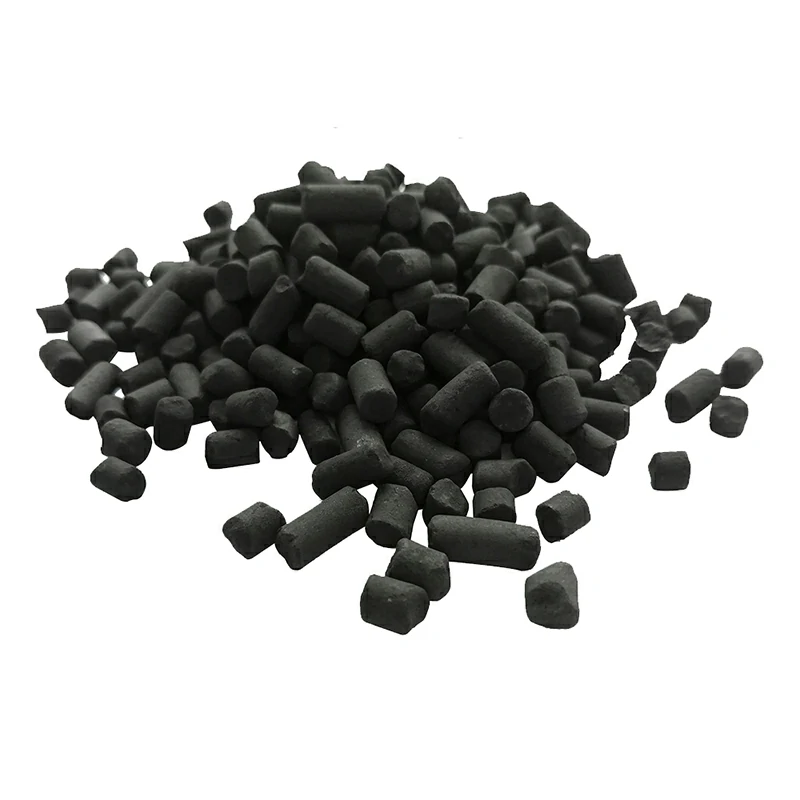
Carbon Molecular Sieve (CMS) is the core adsorbent material used in PSA nitrogen generators. Its performance directly determines nitrogen purity, nitrogen output rate, and the long-term operating cost of your nitrogen system.
As a professional carbon molecular sieve manufacturer, we are often asked:
Why do carbon molecular sieve prices vary so much?
How can buyers evaluate CMS cost vs. performance?
In this guide, we explain the key factors affecting carbon molecular sieve price, helping global buyers make smarter purchasing decisions.
1. Raw Material Cost: The Primary Price Driver
Raw materials account for over 60% of total carbon molecular sieve production cost.
1.1 Carbon-Based Materials
The most common base materials include:
-
Anthracite coal
-
Coconut shell carbon
-
Wood-based carbon
Anthracite prices fluctuate with global coal supply and environmental policies. When coal prices surge, CMS production costs rise accordingly.
Coconut shell carbon, often used for high-performance carbon molecular sieve, depends heavily on Southeast Asian supply. Due to limited raw material availability, coconut-based CMS typically costs more than coal-based alternatives.
1.2 Binders
High-quality binders such as phenolic resin improve:
-
Compressive strength
-
Structural stability
-
Dust resistance
Premium binders increase manufacturing cost but significantly extend CMS service life in PSA nitrogen generators.
2. Production Technology & Manufacturing Process
Advanced production technology greatly influences carbon molecular sieve performance and pricing.
2.1 Activation Technology
High-temperature steam activation and controlled atmosphere carbonization optimize:
-
Micropore distribution
-
Oxygen adsorption capacity
-
Nitrogen separation efficiency
Precise pore size control requires advanced equipment and strict quality control, increasing production cost but delivering superior nitrogen output rates.
2.2 Forming & Shaping Precision
CMS pellets must withstand repeated pressure cycling in PSA systems. Poor forming technology leads to:
-
Pellet crushing
-
Dust generation
-
Increased system resistance
-
Reduced nitrogen purity
High-precision forming equipment ensures better compressive strength, which reflects in higher pricing but lower long-term operating costs.
2.3 Environmental Compliance Costs
Manufacturers operating in regions with strict environmental regulations must invest in:
-
VOC treatment systems
-
Wastewater purification
-
Emission control equipment
These compliance costs are embedded in product pricing but ensure sustainable and reliable supply.
3. Performance Indicators That Determine CMS Value
Not all carbon molecular sieve products are equal. Key technical parameters directly affect price.
3.1 Nitrogen Output Rate (Nm³/h·kg)
Higher nitrogen output rate means:
-
Smaller adsorption towers
-
Lower CMS filling quantity
-
Reduced capital investment
High-output CMS typically costs 20–30% more, but it significantly improves overall PSA system efficiency.
3.2 Oxygen Adsorption Capacity
Higher oxygen adsorption capacity leads to:
-
Better nitrogen purity
-
Faster adsorption cycle
-
Stable long-term performance
Superior adsorption performance commands premium pricing.
3.3 Compressive Strength
Strong CMS pellets reduce:
-
Powder formation
-
Pressure drop increase
-
Maintenance frequency
Low-cost CMS often sacrifices mechanical strength, resulting in hidden operational costs.
3.4 Service Life
Standard CMS lifespan: 3–5 years
High-quality CMS lifespan: 6–8 years
Although long-life carbon molecular sieve has a higher initial price, its lifecycle cost is significantly lower.
4. Global Supply & Market Demand
Carbon molecular sieve price is also influenced by international market dynamics.
4.1 Growing Demand from High-Tech Industries
Industries driving CMS demand include:
-
Lithium battery manufacturing
-
Semiconductor fabrication
-
Food packaging
-
Chemical processing
High-purity nitrogen requirements (99.999% and above) push demand for premium CMS products.
4.2 Global Supply Concentration
The high-end carbon molecular sieve market is relatively concentrated. Advanced production technology is held by a limited number of global manufacturers.
When supply chains are disrupted or freight costs rise, international CMS prices increase accordingly.
5. Application-Specific Customization
Different industries require different nitrogen purity levels.
Industrial Applications (99.5% Nitrogen)
-
Chemical storage
-
Food preservation
-
Metal processing
Standard CMS products are sufficient, offering cost-effective solutions.
High-End Applications (99.999%+ Nitrogen)
-
Semiconductor manufacturing
-
Electronics production
-
Pharmaceutical industry
These applications require:
-
Ultra-precise pore distribution
-
Extremely low impurity levels
-
Strict quality control
Customized high-purity CMS can cost 2–3 times more than standard industrial grades.
6. How to Evaluate Carbon Molecular Sieve Price Rationally
When purchasing carbon molecular sieve for PSA nitrogen generators, avoid focusing solely on unit price.
Instead, evaluate:
-
Nitrogen output rate
-
Expected lifespan
-
Replacement frequency
-
System energy consumption
-
Long-term operating cost
A lower initial CMS price may result in higher total ownership cost due to frequent replacement or performance degradation.
Why Choose Us as Your Carbon Molecular Sieve Manufacturer?
As a professional manufacturer specializing in PSA nitrogen generator carbon molecular sieve, we provide:
-
Stable raw material sourcing
-
Advanced activation technology
-
Strict quality inspection
-
Customized CMS solutions
-
Competitive factory-direct pricing
-
Global export experience
Our goal is not simply to offer low-cost carbon molecular sieve, but to provide high-performance, long-life CMS that reduces your nitrogen generation cost per cubic meter.
Final Thoughts
Carbon molecular sieve price is influenced by raw materials, production technology, performance parameters, market demand, regulatory compliance, and application requirements.
For international buyers, the key is balancing price, performance, and lifecycle value.
If you are looking for a reliable carbon molecular sieve supplier for your PSA nitrogen generator system, feel free to contact our technical team for detailed specifications and quotations.
We are ready to support your nitrogen generation project with professional solutions and stable global supply.