Carbon Molecular Sieve Regeneration Cycle | PSA Nitrogen Generator Performance Guide
Learn the regeneration cycle of carbon molecular sieve in PSA nitrogen generators. Discover key factors affecting lifespan, efficiency, and how to extend CMS performance for industrial nitrogen production.
Carbon Molecular Sieve Regeneration Cycle: A Complete Guide for PSA Nitrogen Generators
In industrial nitrogen generation systems, carbon molecular sieve (CMS) is the core adsorbent that determines nitrogen purity, stability, and system efficiency. As a professional manufacturer, we often receive questions from global customers about:
-
How often does carbon molecular sieve regenerate?
-
What affects its regeneration cycle?
-
How to extend its service life?
In this guide, we break down the regeneration cycle, working principles, influencing factors, and maintenance strategies to help you optimize your PSA nitrogen generator performance.
1. How Carbon Molecular Sieve Works in PSA Nitrogen Generators
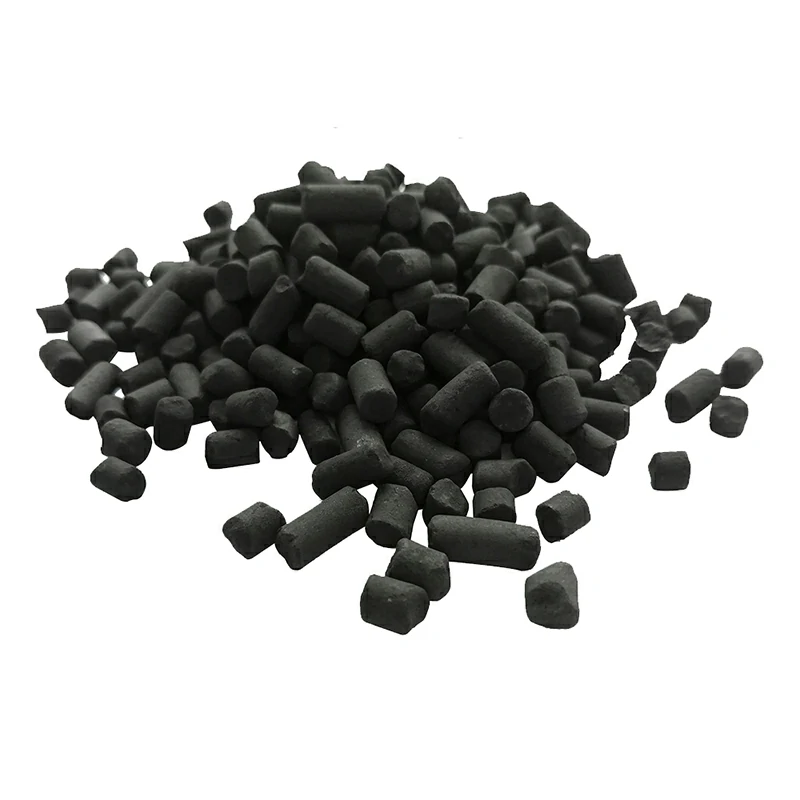
Carbon molecular sieve is a specialized porous carbon material with micropore sizes around 0.3–0.5 nm, designed to separate oxygen and nitrogen molecules.
Because of this slight size difference:
PSA (Pressure Swing Adsorption) Process
In a PSA nitrogen generator:
-
One adsorption tower produces nitrogen under pressure (0.6–0.8 MPa)
-
The other tower undergoes regeneration via depressurization
-
The system alternates continuously for uninterrupted nitrogen supply
2. Two Types of Carbon Molecular Sieve Regeneration Cycles
2.1 Short Cycle Regeneration (Automatic PSA Cycle)
This is the normal operating cycle of the nitrogen generator.
-
Cycle time: 30 seconds to 2 minutes
-
Fully automatic (no manual intervention)
-
Synchronized with adsorption process
Example:
-
Adsorption: 60 seconds
-
Regeneration: 60 seconds
This rapid switching ensures continuous nitrogen production.
2.2 Deep Regeneration Cycle (Long-Term Maintenance)
Over time, contaminants such as:
-
Oil vapor
-
Moisture
-
Hydrocarbons
accumulate inside CMS pores, reducing performance.
Deep Regeneration Interval:
Method:
Important: Temperatures above 250°C may damage the CMS structure.
3. Key Factors Affecting Regeneration Frequency
3.1 Compressed Air Quality (Most Critical Factor)
Air contamination directly impacts CMS lifespan.
Poor air quality leads to:
Recommended Pre-Treatment:
3.2 Operating Parameters
Pressure
Temperature
3.3 Nitrogen Purity Requirements
Higher purity (e.g., 99.999%) means:
3.4 Equipment Maintenance
Regular maintenance helps:
4. Carbon Molecular Sieve Lifespan & Replacement
With proper operation and maintenance:
However, replacement is recommended if:
-
Nitrogen purity cannot meet specifications
-
Nitrogen output drops significantly
-
Regeneration becomes ineffective
Note: Oil contamination is often irreversible and requires replacement.
5. How to Extend Carbon Molecular Sieve Service Life
As a manufacturer, we recommend the following best practices:
Ensure Clean Compressed Air
Invest in high-quality filtration and drying systems.
Optimize Operating Conditions
Maintain stable pressure and temperature ranges.
Schedule Regular Maintenance
Replace filters and inspect system components routinely.
Monitor System Data
Track:
-
Pressure
-
ताप (temperature)
-
Nitrogen purity
Early detection prevents costly downtime.
6. Why Choosing High-Quality CMS Matters
Not all carbon molecular sieves are the same. High-performance CMS offers:
As a trusted manufacturer, we provide:
-
Customized CMS solutions for PSA systems
-
Stable pore size distribution
-
Strict quality control for global markets
Conclusion
The regeneration cycle of carbon molecular sieve is not fixed—it depends on operating conditions, air quality, and maintenance practices.
By optimizing system design and maintenance, you can significantly:
-
Extend CMS lifespan
-
Improve nitrogen purity
-
Reduce operational costs
Looking for Reliable Carbon Molecular Sieve?If you are sourcing high-quality carbon molecular sieve for PSA nitrogen generators, we are ready to support your project with:
Contact us today to get a tailored solution for your nitrogen generation system.
 Carbon Molecular Sieve Supplier Checklist | How to Choose CMS Manufacturer in China
 How to Reduce PSA Nitrogen Generator Operating Cost | Carbon Molecular Sieve Guide