Carbon Molecular Sieve Regeneration Temperature for PSA Nitrogen Generators | Manufacturer Guide
Discover the optimal carbon molecular sieve regeneration temperature (20–50°C) for PSA nitrogen generators. Learn how proper temperature control improves nitrogen purity, extends CMS lifespan, and reduces operating costs.
Carbon Molecular Sieve Regeneration Temperature in PSA Nitrogen Generators: Manufacturer’s Technical Guide
As a professional carbon molecular sieve (CMS) manufacturer, we understand that regeneration performance directly determines the nitrogen purity, stability, and service life of your PSA nitrogen generator.
Among all operating parameters, carbon molecular sieve regeneration temperature is one of the most critical factors affecting adsorption efficiency and long-term durability.
In this guide, we explain the optimal regeneration temperature range (20–50°C), the technical reasoning behind it, and how proper control can maximize your nitrogen generation system performance.
1. Why Regeneration Temperature Matters in PSA Nitrogen Generators
In a Pressure Swing Adsorption (PSA) nitrogen generator, carbon molecular sieve works through physical adsorption.
During the adsorption phase:
-
Oxygen (kinetic diameter 0.346 nm)
-
Carbon dioxide
-
Moisture and trace impurities
are selectively adsorbed into the CMS micropores under pressure.
During regeneration:
-
Pressure is reduced (to atmospheric or slight vacuum)
-
Product nitrogen is used for counter-current purging
-
Adsorbed oxygen and impurities are desorbed
Temperature directly affects this adsorption–desorption equilibrium.
According to adsorption thermodynamics (Langmuir isotherm principle):
Higher temperature → Faster desorption
Lower temperature → Slower desorption
However, excessive temperature can permanently damage the CMS pore structure.
2. Optimal Carbon Molecular Sieve Regeneration Temperature Range
Recommended Range: 20°C – 50°C
Ideal Operating Window: 30°C – 40°C
This range is based on three key factors:
2.1 CMS Thermal Stability
Carbon molecular sieve micropores are temperature-sensitive.
-
Above 60°C → irreversible adsorption capacity loss (>10%)
-
Around 80°C → structural damage risk
-
Long-term high-temperature regeneration → lifespan reduced by 40–60%
For industrial nitrogen generator applications, regeneration temperature must remain below 60°C at all times.
2.2 Desorption Efficiency Balance
If regeneration temperature is too low (<20°C):
-
Residual oxygen remains inside CMS pores
-
Nitrogen purity drops (e.g., 99.9% → below 99.5%)
-
Adsorption capacity decreases
-
Energy consumption increases
At 30–40°C, desorption efficiency exceeds 95%, ensuring:
-
Stable nitrogen purity (up to 99.999%)
-
Full adsorption recovery
-
Consistent production output
2.3 Ambient Temperature Adaptation
In real industrial environments:
Summer (30–35°C ambient)
-
Natural regeneration often sufficient
-
No additional heating required
Winter (<20°C ambient)
-
Regeneration gas heating required
-
Purge nitrogen should be heated to 25–35°C
-
Prevent incomplete desorption
For cold-region nitrogen plants, integrated gas heaters are strongly recommended.
3. Impact of Abnormal Regeneration Temperature
3.1 If Temperature Is Too High
Excessive regeneration temperature can cause:
-
Micropore shrinkage
-
Reduced BET surface area
-
Oxygen adsorption capacity loss
-
Hydrocarbon cracking and carbon deposition
-
CMS channel blockage
-
Shortened service life (from 5–8 years to 2–3 years)
For feed air containing hydrocarbons, high temperature significantly increases carbon fouling risk.
3.2 If Temperature Is Too Low
Low regeneration temperature leads to:
-
Incomplete oxygen desorption
-
Reduced nitrogen purity
-
10–15% production capacity loss
-
Higher operating pressure requirement
-
Increased power consumption
Over time, this also accelerates CMS performance degradation.
4. Best Practices for Regeneration Temperature Control
As a carbon molecular sieve manufacturer supplying global nitrogen generator OEMs, we recommend:
4.1 Install Temperature Monitoring
-
Inlet and outlet temperature sensors
-
PLC automatic feedback adjustment
-
Real-time regeneration temperature tracking
4.2 Controlled Purge Gas Heating
In low-temperature regions:
-
Install electric heaters
-
Maintain purge gas at 30–35°C
-
Avoid overheating above 50°C
4.3 Insulation of Adsorption Towers
-
Insulate regeneration towers
-
Reduce heat loss in winter
-
Improve thermal stability
-
Lower energy consumption
4.4 Routine Performance Testing
Regularly monitor:
-
Nitrogen purity
-
Oxygen breakthrough time
-
CMS adsorption cycle stability
Any abnormality may indicate improper regeneration temperature or feed air contamination.

5. How High-Quality Carbon Molecular Sieve Improves Temperature Tolerance
Not all carbon molecular sieves perform equally under regeneration conditions.
High-quality CMS offers:
-
Uniform micropore distribution
-
Strong thermal stability
-
Low dust content
-
High compressive strength
-
Longer PSA cycle durability
As a direct manufacturer, we provide:
-
CMS for 95%–99.999% nitrogen generation
-
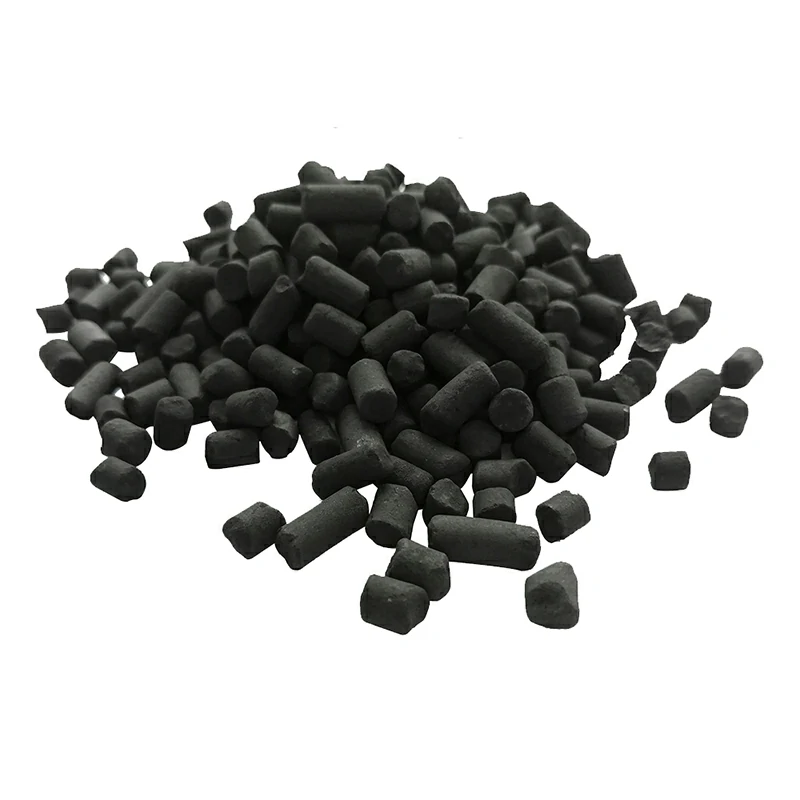
Customized particle sizes (1.1–1.8 mm)
-
Strict thermal resistance testing
-
Long service life guarantee
-
OEM & bulk supply for nitrogen generator factories
6. Conclusion
The optimal carbon molecular sieve regeneration temperature for PSA nitrogen generators is:
20°C – 50°C (ideal 30°C – 40°C)
Proper temperature control ensures:
-
Stable high nitrogen purity
-
Maximum adsorption recovery
-
Lower operating costs
-
Extended CMS service life
If you are sourcing carbon molecular sieve for PSA nitrogen generators, choosing a manufacturer that understands regeneration dynamics is critical for your long-term performance.
Looking for Reliable Carbon Molecular Sieve Supplier?
We are a professional CMS manufacturer with:
-
Stable bulk production capacity
-
Export experience to 40+ countries
-
Competitive factory pricing
-
Technical support for PSA nitrogen systems
Contact us today to request technical data sheets, test samples, or a customized quotation for your nitrogen generator project.