Carbon Molecular Sieve vs Other Adsorbents | PSA Nitrogen Generator Manufacturer Guide
Discover the key differences between carbon molecular sieve (CMS), zeolite molecular sieve, activated carbon, and silica gel in PSA nitrogen generators. Learn why CMS is the best adsorbent for high-purity nitrogen production. Manufacturer direct supply.
Carbon Molecular Sieve vs Other Adsorbents: Why CMS Is the Core of PSA Nitrogen Generators
In the industrial nitrogen generation industry, adsorbent performance determines nitrogen purity, energy efficiency, and equipment lifespan. As a professional carbon molecular sieve manufacturer, we are often asked:
What is the difference between carbon molecular sieve (CMS) and other adsorbent materials such as zeolite molecular sieve, activated carbon, or silica gel?
In this article, we provide a comprehensive technical comparison to help industrial buyers, PSA nitrogen generator manufacturers, and gas solution providers make the right choice.
1. Pore Structure: Precision Micro-Pores vs Broad Distribution
The pore structure of an adsorbent directly affects its gas separation performance.
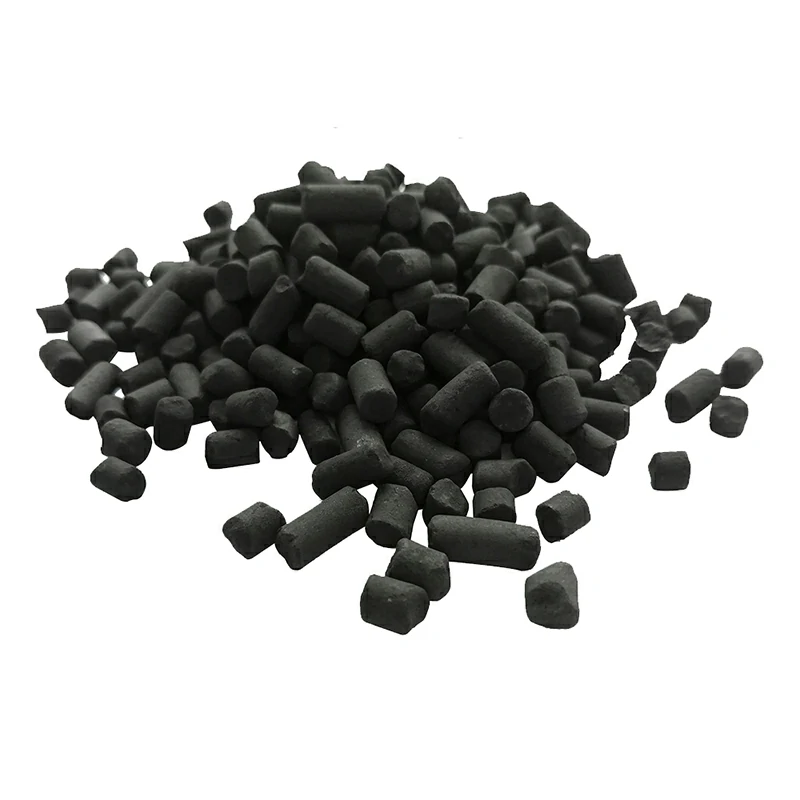
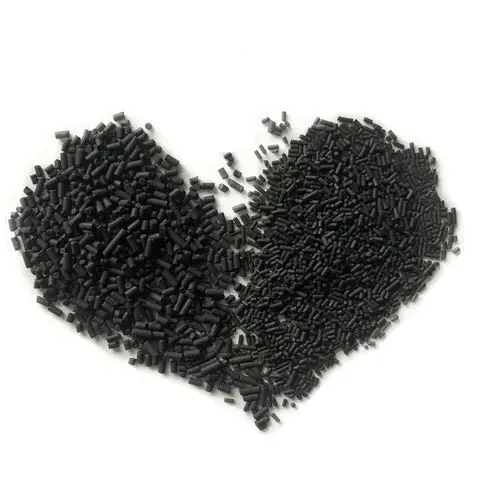
Carbon Molecular Sieve (CMS)
- Microporous carbon material (<2nm)
- Narrow and controllable pore size distribution (typically 0.3–0.5nm)
- Precisely matches the kinetic diameter difference between oxygen (0.346nm) and nitrogen (0.364nm)
- Non-polar surface, minimizing unwanted adsorption
This precise pore structure enables highly selective oxygen adsorption in PSA nitrogen systems.
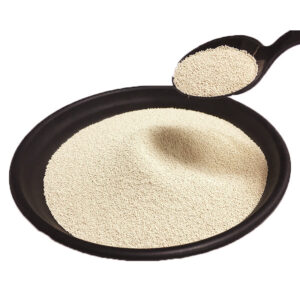
Zeolite Molecular Sieve
- Crystalline aluminosilicate structure
- Uniform but fixed pore size (e.g., 5A = 0.5nm, 13X = 1.0nm)
- Strongly polar surface
- Pore size determined by crystal structure — difficult to adjust for O₂/N₂ kinetic separation
Activated Carbon
- Wide pore size distribution (micro-, meso-, macro-pores)
- Irregular pore channels
- Weak selectivity between oxygen and nitrogen
Silica Gel
- Amorphous SiO₂
- Large pore range (2–50nm)
- Strong affinity for polar molecules (mainly water vapor)
Conclusion: Only carbon molecular sieve offers the precise micropore control required for efficient nitrogen separation.
2. Separation Mechanism: Kinetic Separation vs Equilibrium Adsorption
The working principle determines whether a material is suitable for PSA nitrogen generation.
Carbon Molecular Sieve – Kinetic Separation
CMS works based on diffusion rate differences:
- Oxygen diffuses 3–5 times faster than nitrogen
- Oxygen is rapidly adsorbed inside micropores
- Nitrogen remains in the gas phase and is collected
- Ideal for short PSA cycles (30–120 seconds)
This makes CMS extremely efficient for high-purity nitrogen production.
Zeolite Molecular Sieve – Equilibrium Adsorption
- Nitrogen has higher polarizability
- Nitrogen is preferentially adsorbed under equilibrium
- Requires longer adsorption time
- Higher regeneration energy consumption
This mechanism is more suitable for oxygen production, not nitrogen.
Activated Carbon & Silica Gel
- No selective O₂/N₂ separation capability
- Used mainly for air pretreatment (moisture and oil removal)
Conclusion: Carbon molecular sieve is specifically engineered for PSA nitrogen generation.
3. Performance Comparison in PSA Nitrogen Generators
| Property | Carbon Molecular Sieve | Zeolite | Activated Carbon | Silica Gel |
|---|---|---|---|---|
| Nitrogen Purity | 95%–99.9995% | 90%–95% | Not applicable | Not applicable |
| Nitrogen Recovery Rate | 30%–50% | 15%–25% | — | — |
| PSA Cycle Time | Short | Long | — | — |
| Energy Efficiency | High | Moderate | — | — |
| Main Application | Nitrogen generation | Oxygen generation | Air purification | Dehumidification |
For industries such as:
- Oil & Gas
- Electronics manufacturing
- Food packaging
- Laser cutting
- Chemical processing
High-purity nitrogen is critical — and CMS is the only material that consistently meets these requirements.
4. Application & Cost Efficiency
Carbon Molecular Sieve
- Core material for PSA nitrogen generators
- Service life: 3–5 years (with proper air pretreatment)
- Low long-term operating cost
- Stable nitrogen purity performance
- Suitable for small lab units to large industrial systems
Zeolite Molecular Sieve
- Mainly used in oxygen concentrators
- Less competitive for nitrogen systems
Activated Carbon & Silica Gel
- Used as pretreatment adsorbents
- Remove oil and moisture
- Lower cost but shorter lifespan (6–24 months)
While CMS requires proper air filtration and drying systems, the long-term nitrogen production efficiency significantly reduces total cost per Nm³.
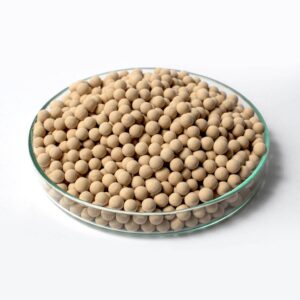
5. Why Industrial Buyers Choose Our Carbon Molecular Sieve
As a professional manufacturer and exporter of carbon molecular sieve, we offer:
- Precise pore size control technology
- High nitrogen yield and stable purity
- Strong mechanical strength
- Low dust content
- Customized solutions for PSA systems
- Bulk supply for nitrogen generator manufacturers
- Competitive factory-direct pricing
Our CMS products are widely exported to:
- Europe
- Southeast Asia
- Middle East
- South America
- Africa
We support OEM cooperation for nitrogen generator manufacturers and gas equipment distributors.
Final Thoughts
When comparing carbon molecular sieve with other adsorbent materials, the difference is clear:
CMS is not just another adsorbent — it is the heart of a PSA nitrogen generator.
Its precise micropore structure and kinetic separation mechanism make it the only high-efficiency solution for industrial nitrogen production.
If you are looking for:
- Reliable carbon molecular sieve supplier
- High purity nitrogen adsorbent
- Competitive CMS price
- Long service life PSA nitrogen solution
We are ready to support your project.
Contact us today for technical specifications, samples, and quotation.