Does Carbon Molecular Sieve Cause Corrosion in Nitrogen Generators? | CMS Manufacturer Guide
Does carbon molecular sieve (CMS) cause corrosion in PSA nitrogen generators? Learn the real causes of corrosion, how to protect your system, and how to choose high-quality CMS from a professional manufacturer.
Does Carbon Molecular Sieve Cause Corrosion in PSA Nitrogen Generators?
As a professional carbon molecular sieve (CMS) manufacturer, one of the most common questions we receive from overseas customers is:
“Does carbon molecular sieve cause corrosion inside a nitrogen generator?”
The short answer is:
No, high-quality carbon molecular sieve does not cause corrosion.
However, under improper operating conditions, corrosion may occur in PSA nitrogen generator systems — not because of the CMS itself, but due to moisture, oil contamination, or harmful gases entering the system.
In this article, we explain:
- The corrosion resistance of carbon molecular sieve
- Real causes of corrosion in PSA nitrogen generators
- How to prevent corrosion and extend equipment life
- How to choose high-quality CMS for long-term reliability
1. Is Carbon Molecular Sieve Corrosive?
Carbon Molecular Sieve Is Chemically Stable
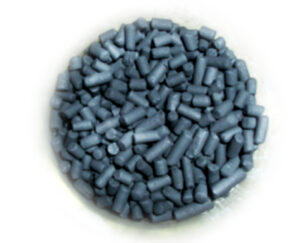
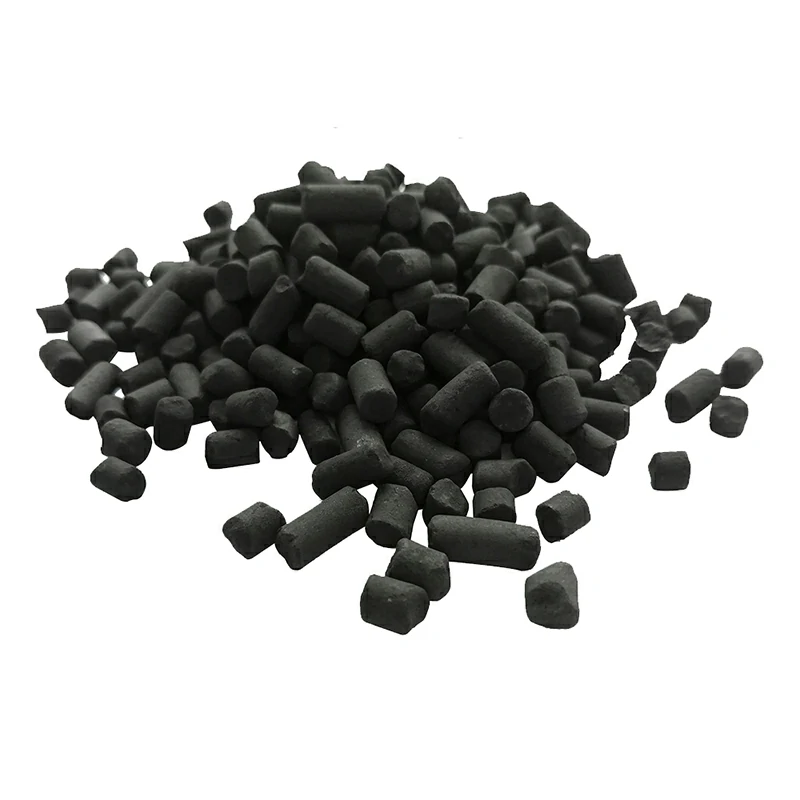
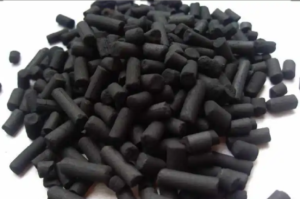
Carbon molecular sieve (CMS) is a highly porous carbon-based adsorbent made from coal or coconut shell through carbonization and activation processes. It contains over 90% carbon and has:
- Excellent chemical stability
- Strong resistance to acids and alkalis at normal temperatures
- High mechanical strength
- Stable micro-porous structure
Under normal PSA nitrogen generation operating conditions (20–40°C), CMS:
- Does not react chemically with oxygen or nitrogen
- Does not release corrosive substances
- Performs purely physical adsorption
Unlike chemical absorbents, CMS works through pressure swing adsorption (PSA) without undergoing chemical changes.
Therefore, carbon molecular sieve itself does NOT cause corrosion.
2. Why Does Corrosion Sometimes Occur in Nitrogen Generators?
Corrosion issues in nitrogen generator systems usually originate from compressed air contamination, not from the CMS.
Below are the main causes:
2.1 Moisture Contamination (Most Common Cause)
If the air dryer or pre-treatment system fails:
- Water vapor enters the adsorption tower
- Moisture forms a thin film on CMS surface
- CO₂ dissolves in water and forms carbonic acid (H₂CO₃)
- Carbon steel tower walls may corrode
This type of corrosion affects:
- Carbon steel adsorption vessels
- Pipelines
- Valves
Key Point:
It is the water + CO₂ combination causing corrosion — not the carbon molecular sieve.
2.2 Oil Contamination from Air Compressors
If oil separators or filters fail:
- Compressor oil enters the CMS bed
- Oil blocks CMS micropores
- Adsorption efficiency drops
- Organic acids in oil may slowly affect metal components
At higher regeneration temperatures (>80°C), oil oxidation may produce small amounts of acidic compounds, accelerating metal corrosion.
Again, the CMS does not generate corrosion — oil contamination does.
2.3 Harmful Industrial Gases (Cl₂, SO₂)
In industrial environments (chemical plants, wastewater treatment facilities, etc.), intake air may contain:
- Chlorine (Cl₂)
- Sulfur dioxide (SO₂)
If not properly filtered:
- Cl₂ + moisture → hydrochloric acid (HCl)
- SO₂ + moisture → sulfurous acid (H₂SO₃)
These acids can cause serious corrosion of:
- Carbon steel adsorption towers
- Valves
- Pipelines
Under extreme exposure, strong oxidizing gases may gradually damage CMS surface structure — but this is very rare in properly filtered systems.
2.4 Low-Quality Carbon Molecular Sieve
This is an important factor when purchasing CMS from unreliable suppliers.
Low-grade carbon molecular sieve may contain:
- High ash content
- Metal oxides
- Incomplete carbonization residues
- Fine dust
Possible consequences:
- Acidic impurities released over time
- Increased system pressure drop
- Mechanical wear on seals and valves
- Mixed with moisture, forming corrosive sludge
Choosing high-quality CMS from a reliable manufacturer is critical.
3. How to Prevent Corrosion in PSA Nitrogen Systems
As an experienced carbon molecular sieve supplier for global nitrogen generator manufacturers, we recommend:
3.1 Ensure Proper Air Pre-Treatment
- Install multi-stage filtration
- Use high-efficiency air dryers
- Maintain pressure dew point below -40°C
- Oil content < 0.01 mg/m³
Pre-treatment quality directly determines CMS lifespan and system durability.
3.2 Select Proper Vessel Materials
- Stainless steel (304 / 316) adsorption towers
- Anti-corrosion epoxy internal coatings
- Avoid untreated carbon steel in humid environments
3.3 Maintain Stable Operating Conditions
- Working temperature below 40°C
- Pressure range: 0.6–0.8 MPa
- Avoid frequent start-stop cycles
Stable operation reduces both mechanical fatigue and corrosion risk.
3.4 Use High-Quality Carbon Molecular Sieve
Premium CMS should offer:
- Low ash content
- High nitrogen purity performance
- Strong mechanical strength
- Low dust generation
- Long service life
High-quality CMS typically lasts 3–5 years under proper conditions.
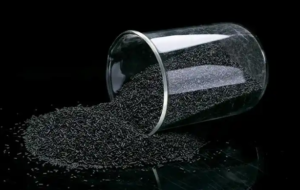
4. Why Choose Our Carbon Molecular Sieve?
As a professional CMS manufacturer serving global nitrogen generator OEMs and distributors, we provide:
- High nitrogen purity CMS (95%–99.999%)
- Stable adsorption performance
- Strict quality control
- Low dust and low ash content
- Competitive factory pricing
- OEM & bulk supply support
Our carbon molecular sieve is engineered for:
- PSA nitrogen generators
- Industrial nitrogen production systems
- On-site nitrogen generation
- Oil & gas nitrogen units
- Laser cutting nitrogen systems
We focus on delivering long-term stability and corrosion-free operation for your equipment.
Final Conclusion: Does Carbon Molecular Sieve Cause Corrosion?
✔ Carbon molecular sieve itself is chemically inert and corrosion-resistant.
✔ Corrosion in nitrogen generators is usually caused by moisture, oil, or harmful gases.
✔ Proper air pre-treatment and high-quality CMS eliminate corrosion risks.
✔ Choosing a reliable CMS manufacturer ensures long equipment life and stable nitrogen purity.
If you are looking for high-performance carbon molecular sieve for PSA nitrogen generators, we are ready to support your project.
Contact us today for:
- Technical consultation
- Free CMS sample testing
- Bulk pricing for distributors
Let’s build a more stable and efficient nitrogen generation system together.