Does Carbon Molecular Sieve Vibrate in PSA Nitrogen Generators? Causes & Solutions
Learn whether carbon molecular sieve (CMS) vibrates in PSA nitrogen generators, what causes bed vibration, its impact on nitrogen purity, and how to prevent it. Expert insights from a CMS manufacturer.
Does Carbon Molecular Sieve Vibrate in PSA Nitrogen Generators? A Technical Guide for Buyers
As a professional carbon molecular sieve (CMS) manufacturer, one of the most common questions we receive from international buyers is:
“Does carbon molecular sieve vibrate during operation?”
The short answer is:
Carbon molecular sieve itself does NOT actively vibrate.
However, bed vibration can occur under certain operating conditions in PSA nitrogen generators.
Understanding this distinction is critical when selecting high-quality CMS and ensuring long-term nitrogen system performance.
1. How Carbon Molecular Sieve Works in PSA Nitrogen Generators
In a Pressure Swing Adsorption (PSA) nitrogen generator, carbon molecular sieve is packed inside adsorption towers as a fixed bed.
Key characteristics:
- CMS remains physically static (non-moving)
- Separates nitrogen from oxygen via selective adsorption
- Operates under cyclic pressure changes (adsorption & desorption)
Under ideal conditions, the CMS bed should remain stable and vibration-free.
2. Why Does Carbon Molecular Sieve Appear to Vibrate?
While CMS does not generate vibration itself, external and process-related factors can cause passive vibration inside the adsorption bed.
2.1 Gas Flow Impact & Pressure Fluctuations
PSA systems rely on rapid pressure cycling, which can create:
- High-speed air inflow impacting the CMS surface
- Sudden decompression causing reverse airflow pulses
- Uneven gas distribution leading to localized turbulence
If gas velocity exceeds safe limits, it may cause:
- Particle movement
- Micro-collisions
- Bed instability
2.2 Mechanical Vibration from Equipment
Vibration can also come from surrounding machinery:
- Air compressors (especially piston or screw types)
- Vacuum pumps
- Frequent valve switching (every 60–120 seconds)
These vibrations can transfer through:
- Rigid pipelines
- Equipment frames
- Tower structure
2.3 Poor CMS Filling or Installation
Improper loading of carbon molecular sieve is a major hidden risk:
- Uneven packing density
- Air gaps inside the bed
- Mixed or inconsistent particle sizes
Result:
- CMS particles move within voids
- Increased friction and vibration
- Accelerated wear
3. Impact of CMS Bed Vibration on Performance
Even minor vibration can lead to serious long-term issues:
3.1 Particle Wear & Dust Formation
- CMS particles collide and break down
- Fine powder clogs filters and valves
- Airflow resistance increases
3.2 Channeling Effect (Gas Short-Circuiting)
- Uneven bed structure creates airflow paths
- Reduces effective adsorption area
- Leads to lower nitrogen purity
3.3 Reduced CMS Lifespan
- Normal lifespan: 5–8 years
- With vibration: may drop to 3–5 years
4. How to Prevent Carbon Molecular Sieve Vibration
As an experienced CMS supplier, we recommend the following best practices:
4.1 Optimized Tower Design
- Install gas distribution plates for uniform airflow
- Use diffuser inlets to reduce air impact
- Add bed support grids and top hold-down systems
4.2 Proper CMS Loading Technique
- Layer-by-layer filling with compaction
- Use graded particle sizes (coarse bottom, fine top)
- Eliminate internal voids
This is critical when purchasing CMS in bulk.
4.3 Vibration Isolation
- Install anti-vibration pads for compressors
- Use flexible pipe connections
- Ensure solid equipment foundation
4.4 Process Control Optimization
- Control pressure change rate (≤ 0.1 MPa/s recommended)
- Avoid rapid valve switching shocks
- Perform regular maintenance checks
5. Why High-Quality Carbon Molecular Sieve Matters
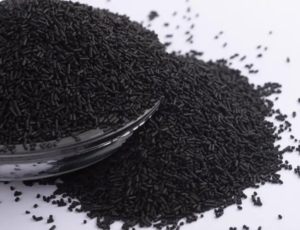
Not all CMS products perform equally under dynamic PSA conditions.
Premium CMS advantages:
- Higher mechanical strength → less breakage
- Uniform particle size → stable bed structure
- Better wear resistance → longer service life
- Consistent pore structure → stable nitrogen purity
Choosing a reliable CMS manufacturer directly reduces vibration-related risks.
6. Final Thoughts for Global Buyers
To summarize:
✔ Carbon molecular sieve does not inherently vibrate
✔ Vibration is caused by system design, airflow, or installation issues
✔ Poor control can lead to:
- Lower nitrogen purity
- Higher maintenance costs
- Shorter CMS lifespan
Looking for High-Performance Carbon Molecular Sieve?
As a trusted manufacturer, we provide:
- High-strength CMS for PSA nitrogen systems
- Custom particle size solutions
- Technical support for system optimization
- Stable supply for global partners
Contact us today to improve your nitrogen generator efficiency and extend CMS lifespan.