How Often Should Carbon Molecular Sieve Be Regenerated? | PSA Nitrogen Generator Manufacturer Guide
How often does carbon molecular sieve need regeneration in a PSA nitrogen generator? Learn regeneration cycles, influencing factors, maintenance tips, and how to extend CMS lifespan from a professional manufacturer.
How Often Should Carbon Molecular Sieve Be Regenerated in a PSA Nitrogen Generator?
As a professional carbon molecular sieve manufacturer, one of the most common questions we receive from overseas customers is:
“How often does carbon molecular sieve (CMS) need regeneration in a PSA nitrogen generator?”
The answer depends on operating conditions, air quality, nitrogen purity requirements, and maintenance standards. In this guide, we explain everything you need to know about:
- PSA nitrogen generator regeneration cycle
- Short-cycle vs deep regeneration
- Factors affecting CMS performance
- How to extend carbon molecular sieve lifespan
- When to replace carbon molecular sieve
If you are sourcing high-quality carbon molecular sieve for nitrogen generators, this article will help you make the right decision.
1. How Carbon Molecular Sieve Works in PSA Nitrogen Generators
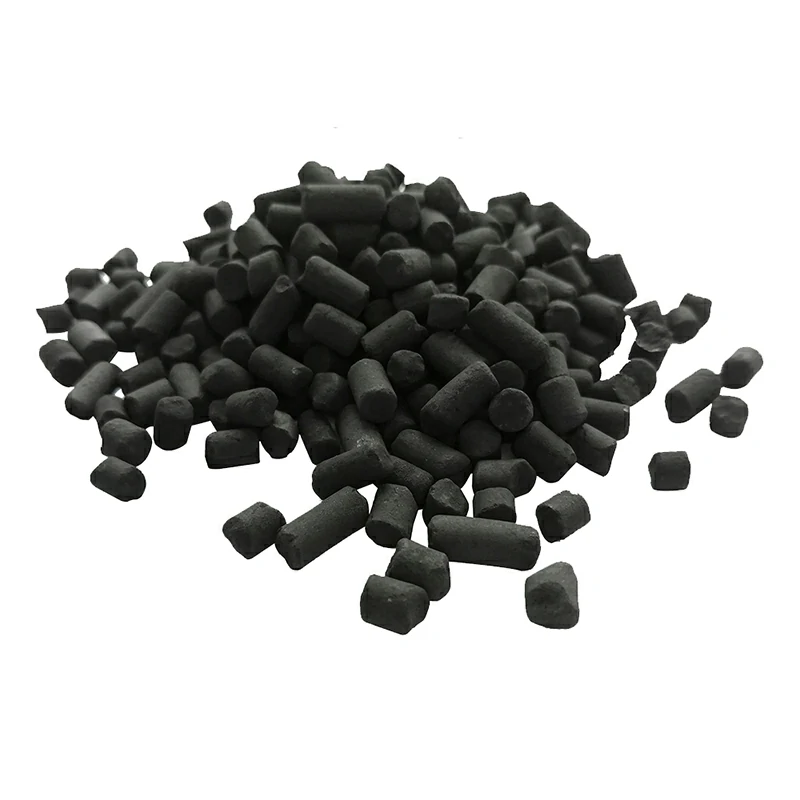
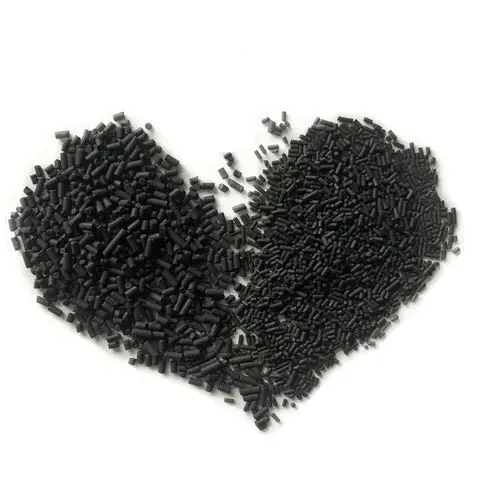
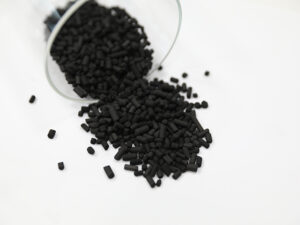
Carbon molecular sieve (CMS) is the core adsorption material used in PSA (Pressure Swing Adsorption) nitrogen generators.
Its micropore size (0.3–0.5 nm) allows:
- Oxygen molecules (0.29 nm) → absorbed
- Nitrogen molecules (0.31 nm) → pass through
Under pressure (typically 0.6–0.8 MPa), CMS selectively adsorbs oxygen, allowing nitrogen to be separated and collected.
When the sieve becomes saturated with oxygen, it must be regenerated through pressure reduction or purge gas. This restores its adsorption capacity.
Most PSA nitrogen systems use dual adsorption towers:
- Tower A → adsorption (nitrogen production)
- Tower B → regeneration
- Automatic switching ensures continuous nitrogen supply
2. Two Types of Carbon Molecular Sieve Regeneration Cycles
Carbon molecular sieve regeneration can be divided into:
2.1 Normal PSA Regeneration Cycle (Short Cycle)
This is the automatic adsorption-desorption cycle inside the nitrogen generator.
- Cycle time: 30 seconds to 2 minutes
- Fully automatic
- No manual intervention required
- Continuous operation
For example:
If adsorption time is 60 seconds, regeneration time is also 60 seconds. Towers alternate automatically.
This short-cycle regeneration happens continuously during operation.
2.2 Deep Regeneration (Long Cycle Maintenance)
Over long-term operation, contaminants such as:
- Oil vapor
- Moisture
- Hydrocarbons
- Fine dust
may accumulate in CMS pores. This reduces adsorption efficiency.
Deep regeneration is typically required every:
3 to 12 months, depending on working conditions.
Typical deep regeneration method:
- Use dry nitrogen or clean air
- Heat to 150–200°C
- Purge for several hours
Temperature should never exceed 250°C, as it may damage the CMS structure.
3. Key Factors Affecting Carbon Molecular Sieve Regeneration Frequency
3.1 Compressed Air Quality (Most Critical Factor)
Poor air quality is the primary cause of early CMS degradation.
If your air system lacks:
- Proper oil removal filters
- Refrigerated air dryer
- Adsorption air dryer
- High-efficiency filters
Oil and water will contaminate the CMS. Oil contamination is often irreversible and may require premature replacement.
Good air treatment = Longer CMS life.
3.2 Operating Pressure
Optimal adsorption pressure: 0.6–0.8 MPa
- Too high → Oxygen desorption becomes difficult
- Too low → Adsorption efficiency drops
Improper pressure increases regeneration stress and reduces CMS performance.
3.3 Inlet Air Temperature
Recommended temperature: below 40°C
Higher temperatures reduce oxygen adsorption capacity, increasing regeneration frequency and lowering nitrogen purity.
3.4 Nitrogen Purity Requirements
Higher nitrogen purity (99.99%–99.999%) requires:
- Shorter adsorption cycles
- Higher adsorption load
- Increased CMS stress
As purity increases, deep regeneration frequency may also increase.
3.5 Equipment Maintenance Level
Regular maintenance significantly extends CMS lifespan:
- Replace filters on time
- Check valve sealing performance
- Inspect adsorption towers
- Monitor pressure & temperature
Preventive maintenance reduces contamination risk.
4. How Long Does Carbon Molecular Sieve Last?
Under proper operating conditions:
Carbon molecular sieve lifespan: 3–5 years
However, severe oil contamination or poor maintenance may reduce lifespan to 1–2 years.
Deep regeneration can restore partial performance but cannot repair structural damage caused by heavy oil exposure.
5. When Should You Replace Carbon Molecular Sieve?
Consider replacing CMS if:
- Nitrogen purity cannot reach target levels
- Nitrogen flow rate decreases significantly
- Regeneration time increases without performance improvement
- Pressure drop inside adsorption tower rises abnormally
If your system shows these symptoms, it may be time to replace the carbon molecular sieve.
6. How to Extend Carbon Molecular Sieve Service Life
As an experienced CMS manufacturer, we recommend:
✔ Install high-quality air pretreatment system
✔ Maintain stable operating pressure
✔ Keep inlet temperature under control
✔ Perform periodic system inspections
✔ Use premium-grade carbon molecular sieve
High-performance CMS with uniform pore distribution and high compressive strength ensures:
- Stable nitrogen purity
- Faster adsorption-desorption response
- Lower pressure drop
- Longer operational life
7. Why Choosing the Right Carbon Molecular Sieve Supplier Matters
Not all carbon molecular sieve products are the same.
Low-quality CMS often causes:
- Unstable nitrogen purity
- Powdering or crushing
- Higher energy consumption
- Shorter replacement cycle
As a professional carbon molecular sieve manufacturer and exporter, we provide:
- High nitrogen yield CMS grades
- Customized solutions for 95%–99.999% nitrogen purity
- Strict quality control
- Stable bulk supply for OEM nitrogen generator manufacturers
- Technical support for system optimization
If you are looking for a reliable carbon molecular sieve supplier for PSA nitrogen generators, we are ready to support your project.
Conclusion
So, how often does carbon molecular sieve need regeneration?
- Normal PSA regeneration: every 30 seconds to 2 minutes (automatic)
- Deep regeneration: every 3–12 months (depending on air quality & maintenance)
- Typical lifespan: 3–5 years under proper conditions
The key to reducing regeneration frequency and extending CMS life lies in:
✔ Clean compressed air
✔ Proper operating parameters
✔ Regular maintenance
✔ High-quality carbon molecular sieve
If you need technical consultation or wholesale carbon molecular sieve pricing, feel free to contact us. Our engineering team is ready to help you optimize your PSA nitrogen system performance.