How to extend the lifespan of membrane-based biogas purification equipment?
Core principle: Treat the membrane as the “heart” of the system
The failure of the membrane is rarely sudden; it usually occurs gradually as its performance declines until it fails to meet the standards. The key to extending its lifespan lies in prevention rather than treatment.
1. Invincible pre-treatment: The guarantee of the lifeline (>50% importance)
This is the most important and fundamental of all suggestions. The sole purpose of pre-treatment is to provide “pure water” level inlet gas to the membrane.
Deep desulfurization – Defend against “chemical assassins”
Preferred biological desulfurization, with low operating costs and high efficiency.
Second choice dry desulfurization (iron oxide), but strict monitoring of pressure drop and replacement frequency is required.
For high-sulfur biogas, wet desulfurization can be used as a pre-treatment step for rough removal.
Goal: Reduce H₂S concentration to < 10 ppm, ideally < 5 ppm.
Measures:
Deep dehydration – Defend against “physical killers”
Combined process: Cooler (condensation separation) + Adsorption dryer.
Regularly check the regeneration function of the dryer and replace the adsorbent (such as alumina, molecular sieve) in time.
Goal: Reduce the dew point of water to < -40°C to prevent any liquid water from forming in the membrane.
Measures:
Fine filtration – Defend against “particle attacks”
Use multi-stage filtration: main pipeline filter → precision filter → ultra-precision filter.
Strictly follow the filter replacement cycle and replace in time when indicated by the pressure indicator.
Goal: Remove all particles > 0.01 μm, oil mist and aerosols.
Measures:
Remove special pollutants (depending on the gas source)
Siloxanes, VOCs: mainly from landfill gas and kitchen waste biogas. Must be equipped with activated carbon adsorption tanks or dedicated adsorbents, and replaced regularly.
2. Standard operation: Stable operation is key
Rough operation is the “chronic killer” of the membrane.
Stable pressure and load
Avoid: Operating beyond the design pressure of the membrane module.
Avoid: Intermittent and frequent fluctuations in inlet gas flow. Adjust valves slowly.
Recommendation: Set up a buffer tank between the compressor outlet and the membrane system inlet to stabilize pressure and gas volume.
Appropriate temperature
Strictly follow the operating temperature range recommended by the membrane manufacturer (usually 5°C – 45°C).
High temperature will accelerate the aging of membrane materials; low temperature may cause hydrocarbons to condense.
Standard start-up and shutdown
Before startup: Ensure the pre-treatment system is working normally and the inlet gas indicators are qualified before introducing it to the membrane system.
During shutdown: Especially for long-term shutdown, use clean, dry nitrogen or qualified biogas to blow and maintain pressure for the membrane system to prevent air and moisture from entering.
3. Devout maintenance: Preventive measures in advance
Establish and implement a preventive maintenance plan
Daily: Record system pressure, temperature, purity and recovery rate, and observe trend changes.
Weekly/Monthly: Check filter pressure difference and check the performance of the dryer.
Every half year/annually: Replace all filter filter elements, desulfurizers, and adsorbents compulsorily according to operating time and manufacturer’s recommendations, regardless of their apparent condition.
Regular “check-up”
Regularly (once a year) have the system performance evaluated by the equipment supplier or a third party through analyzing operating data to determine the health status of the membrane.
Maintain equipment cleanliness and dryness
Keep the equipment area environment clean, control the environmental humidity, and prevent electrical control system failures and external corrosion.
4. Wise initial selection: Lay the foundation for longevity
Choose high-quality membrane modules
High-quality membrane materials have better resistance to chemical degradation, plasticization and mechanical strength.
Choose reliable system integrators
An experienced integrator will design a redundant and reliable pre-treatment system for you and provide professional startup commissioning and lifetime technical support. This is much more important than simply comparing the equipment quotations.
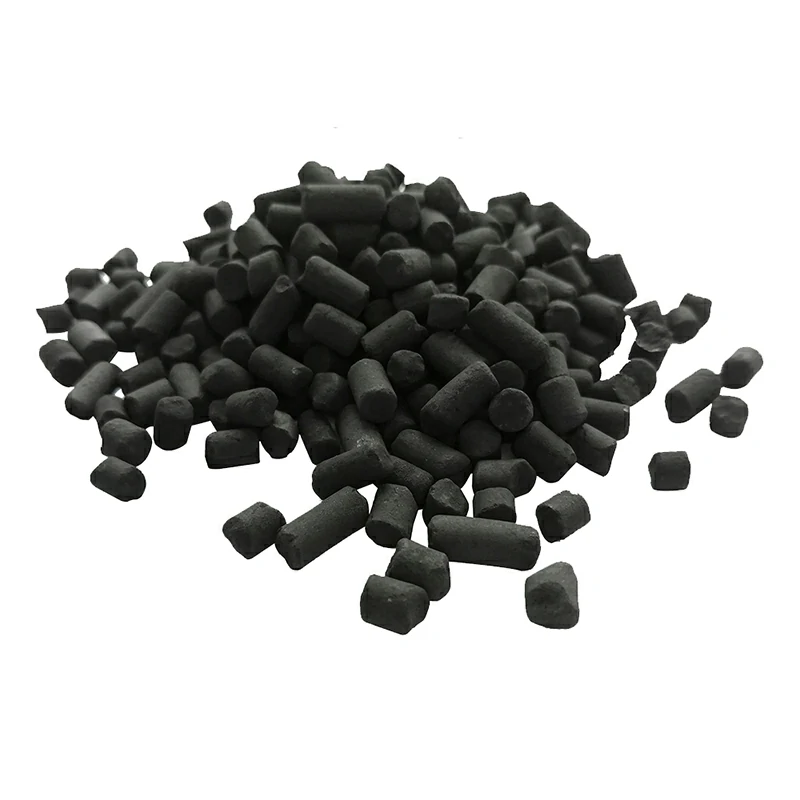 Carbon Molecular Sieve Supplier Checklist | How to Choose CMS Manufacturer in China
 How to Reduce PSA Nitrogen Generator Operating Cost | Carbon Molecular Sieve Guide