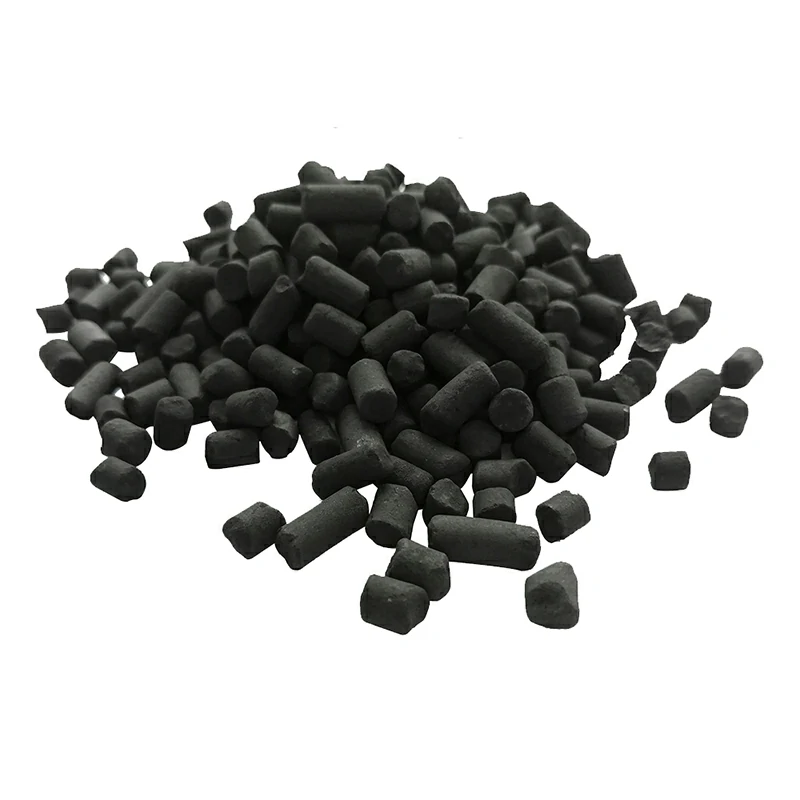
Learn how to identify high-quality carbon molecular sieve before purchasing. Discover key CMS quality indicators, testing methods, common supplier tricks, and how to avoid PSA nitrogen generator problems.
how-to-identify-high-quality-carbon-molecular-sieve
How to Identify High-Quality Carbon Molecular Sieve Before Buying
As global demand for PSA nitrogen generators continues to grow, more industrial buyers are sourcing Carbon Molecular Sieve (CMS) from China. However, one major challenge many buyers face is identifying real product quality before placing an order.
At first glance, many carbon molecular sieve products may look similar:
- Same pellet appearance
- Similar packaging
- Similar technical claims
- Similar nitrogen purity descriptions
But in actual PSA nitrogen generator operation, the performance difference can be huge.
Poor-quality carbon molecular sieve may lead to:
- High air consumption
- Unstable nitrogen purity
- Excessive dust generation
- Frequent maintenance
- Short service life
- Increased operating cost
In this guide, we explain how buyers can identify high-quality carbon molecular sieve before purchasing and avoid expensive mistakes.
Why Carbon Molecular Sieve Quality Matters
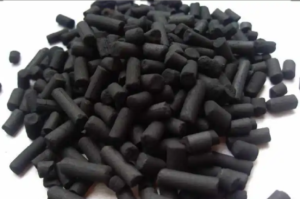
Carbon molecular sieve is the core adsorption material inside PSA nitrogen generators.
Its quality directly affects:
- Nitrogen purity
- Nitrogen output
- Energy efficiency
- Compressor load
- System stability
- Equipment lifespan
Even small quality differences can significantly influence operating cost over time.
That is why experienced industrial buyers focus not only on price, but also on long-term performance and reliability.
1. Check Nitrogen Purity Performance
One of the most important indicators of CMS quality is nitrogen purity performance.
Professional-grade carbon molecular sieve should:
- Reach target purity quickly
- Maintain stable nitrogen concentration
- Operate consistently over long periods
Different applications require different purity levels:
- Food packaging: 95–99%
- Laser cutting: 99.99%
- Electronics industry: ultra-high purity nitrogen
Low-quality CMS often struggles to maintain stable purity under real operating conditions.
2. Evaluate Air Consumption Efficiency
Many buyers overlook this factor.
High-quality carbon molecular sieve produces more nitrogen using less compressed air.
This directly reduces:
- Electricity consumption
- Compressor workload
- Operating cost
Poor-quality CMS usually requires:
- Higher airflow
- Longer adsorption cycles
- Greater compressor energy consumption
Over time, energy waste becomes much more expensive than the initial CMS price difference.
3. Inspect Pellet Strength and Dust Content
Mechanical strength is extremely important for PSA system reliability.
Low-quality CMS pellets may:
- Break during transportation
- Create excessive dust during operation
- Damage pneumatic valves
- Block pipelines
High-strength carbon molecular sieve should have:
- Uniform pellet size
- Good abrasion resistance
- Low dust generation
Excessive dust is often a warning sign of inferior manufacturing quality.
4. Examine Particle Size Consistency
Professional manufacturers maintain consistent particle size distribution.
Uniform pellets help:
- Improve airflow distribution
- Stabilize adsorption performance
- Reduce PSA pressure fluctuation
Irregular particle size can cause:
- Uneven gas flow
- Reduced nitrogen efficiency
- Higher pressure drop
Consistent particle size reflects better production control.
5. Verify Manufacturer Testing Standards
Reliable carbon molecular sieve manufacturers perform strict quality testing before shipment.
Professional suppliers usually provide:
- COA (Certificate of Analysis)
- Technical data sheets
- Bulk density testing
- Crushing strength testing
- Dust content inspection
- Nitrogen performance testing
If a supplier cannot provide detailed testing data, buyers should be cautious.
6. Pay Attention to Batch Consistency
Some suppliers provide good samples but fail to maintain quality in bulk orders.
Batch inconsistency can create serious operational problems:
- Unstable nitrogen purity
- Different air consumption
- Unpredictable PSA performance
Experienced manufacturers maintain:
- Stable raw material sourcing
- Controlled production conditions
- Consistent activation processes
Stable batch quality is critical for industrial users.
7. Evaluate the Manufacturer’s Technical Knowledge
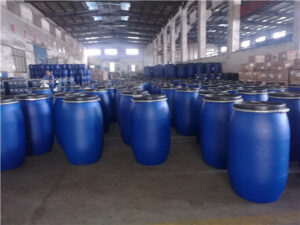
A professional carbon molecular sieve supplier should understand:
- PSA nitrogen generator operation
- Nitrogen purity requirements
- Adsorption principles
- PSA system optimization
Technical communication is often a good indicator of supplier professionalism.
Reliable manufacturers can provide:
- Application guidance
- CMS model recommendations
- Operating suggestions
- Troubleshooting support
Suppliers who only focus on price often lack real technical expertise.
Common Mistakes Buyers Make When Purchasing CMS
Choosing Only by Lowest Price
This is the most common mistake.
Very low-priced carbon molecular sieve may involve:
- Inferior raw materials
- Weak adsorption capacity
- High dust generation
- Short lifespan
The lowest price rarely delivers the best long-term value.
Ignoring Long-Term Operating Cost
Buyers sometimes focus only on purchase cost instead of:
- Energy consumption
- Maintenance frequency
- Nitrogen recovery efficiency
- Replacement intervals
In PSA nitrogen systems, operating cost is often much higher than initial material cost.
Skipping Real System Testing
Laboratory data alone is not enough.
Always test CMS under actual PSA operating conditions before placing large orders.
Real testing helps verify:
- Nitrogen purity
- Air consumption
- Startup behavior
- Pressure stability
- Dust generation
Why Many Global Buyers Choose Chinese CMS Manufacturers
China has become one of the largest carbon molecular sieve production centers because Chinese manufacturers can offer:
- Competitive pricing
- Large production capacity
- OEM service
- Fast export delivery
- Flexible cooperation
However, quality varies greatly between suppliers.
Professional buyers should evaluate:
- Manufacturing experience
- Quality control systems
- Technical support
- Production consistency
- Long-term reliability
instead of focusing only on quotation price.
Tips for Choosing a Reliable Carbon Molecular Sieve Supplier
Before purchasing, buyers should:
- Request technical documentation
- Test samples in actual PSA systems
- Compare long-term operating efficiency
- Check export experience
- Verify production capability
- Evaluate communication quality
Reliable suppliers focus on helping customers improve nitrogen generation efficiency — not simply selling products.
Final Thoughts
Identifying high-quality carbon molecular sieve before purchasing is essential for PSA nitrogen generator performance.
Good CMS helps industrial users:
- Reduce compressed air consumption
- Improve nitrogen purity
- Extend equipment lifespan
- Lower maintenance cost
- Increase production stability
When sourcing carbon molecular sieve from China, buyers should evaluate:
- Product performance
- Mechanical strength
- Dust control
- Batch consistency
- Technical support
- Manufacturer experience
The right carbon molecular sieve supplier can significantly improve long-term operational efficiency and reduce total production cost.