Carbon molecular sieve saturation can reduce nitrogen purity and output in PSA nitrogen generators. Learn causes, prevention methods, regeneration tips, and how to extend CMS lifespan.
How to Prevent Carbon Molecular Sieve Saturation in PSA Nitrogen Generators?
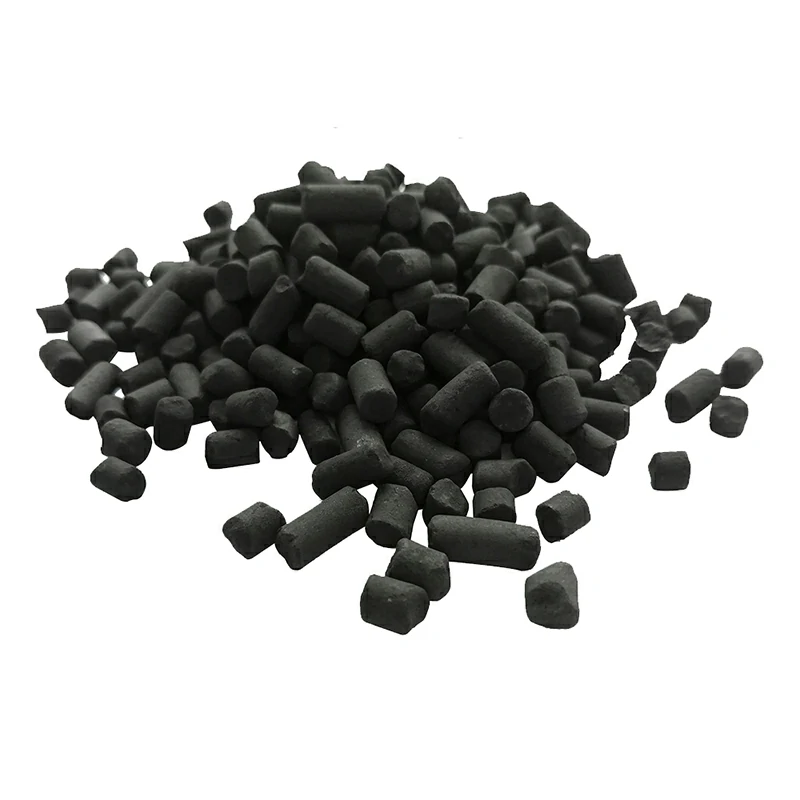
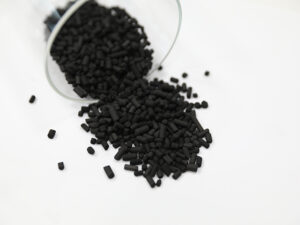
In a PSA nitrogen generator, the carbon molecular sieve (CMS) is the core material responsible for separating nitrogen from compressed air.
If the CMS becomes saturated, the system may experience:
-
Nitrogen purity drop
-
Reduced nitrogen output
-
Increased energy consumption
-
Shortened equipment lifespan
For industrial users, this means production risk and higher operating costs.
In this guide, we explain the causes of CMS saturation and practical solutions to maintain stable nitrogen purity and extend service life.
1. What Is Carbon Molecular Sieve Saturation?
PSA (Pressure Swing Adsorption) technology works by selectively adsorbing oxygen molecules while allowing nitrogen to pass through.
During operation:
-
Adsorption phase → Oxygen is captured by CMS
-
Desorption phase → Oxygen is released during depressurization
Saturation occurs when the CMS cannot fully regenerate between cycles.
Common Symptoms
-
Nitrogen purity drops from 99.9% to 95% or lower
-
Flow rate below rated capacity
-
Higher pressure drop in adsorption towers
-
Regeneration cycle becomes ineffective
If not corrected, CMS may require premature replacement.
2. Main Causes of CMS Saturation
2.1 Poor Compressed Air Quality (Most Common Cause)
Oil, water, and dust contamination account for over 80% of CMS failure cases.
Oil Contamination
Oil vapor blocks CMS micropores and destroys adsorption selectivity.
Recommended limit:≤ 0.01 mg/m³ oil content
Excess Moisture
Water competes with oxygen for adsorption sites.
Recommended dew point:≤ -40°C
Dust & Particles
Particles block airflow and create channeling inside the adsorption bed.
Solution: Install 0.1 micron precision filters and maintain them regularly.
2.2 Improper PSA Operating Parameters
Incorrect cycle settings reduce regeneration efficiency.
Recommended Operating Range:
| Parameter | Recommended Value |
|---|---|
| Adsorption Pressure | 0.6–0.8 MPa |
| Adsorption Time | 30–60 seconds |
| Desorption Pressure | Atmospheric or slight vacuum |
| Nitrogen Back Purge | 10–15% of product flow |
Installing an online oxygen analyzer allows automatic adjustment.
2.3 Overloading the Nitrogen Generator
Running continuously above rated capacity accelerates CMS degradation.
If nitrogen demand increases, consider:
-
Adding additional towers
-
Upgrading generator capacity
-
Installing a buffer tank
Avoid forcing higher output beyond design limits.
2.4 High Ambient Temperature
Adsorption is an exothermic process.
For every 10°C increase in temperature, adsorption capacity may drop by approximately 10%.
Recommended room temperature: 5°C–35°C
Ensure proper ventilation and avoid heat sources near the generator.
3. How to Prevent Carbon Molecular Sieve Saturation
3.1 Upgrade Air Pretreatment System
A high-quality air preparation system significantly extends CMS life.
Recommended components:
-
Oil removal coalescing filters
-
Refrigerated or desiccant air dryer
-
High-efficiency dust filtration
Proper pretreatment can extend CMS lifespan by 30–50%.
3.2 Perform Periodic Thermal Regeneration
For heavily loaded systems, perform deep regeneration every 6–12 months:
-
Heat CMS to 150–200°C
-
Purge with dry nitrogen for 2–4 hours
-
Cool before restarting
Do NOT exceed 200°C to avoid structural damage.
3.3 Regular System Inspection
Check quarterly:
-
Pressure drop across towers
-
CMS bed condition (powdering or clumping)
-
Valve switching performance
-
Oxygen analyzer calibration
Early detection prevents costly downtime.
4. When Should Carbon Molecular Sieve Be Replaced?
Typical CMS lifespan: 3–5 years (depending on air quality and operating conditions).
Replacement is recommended if:
-
Nitrogen purity does not recover after regeneration
-
Severe CMS powdering occurs
-
Pressure drop remains high
-
Air contamination has damaged the bed
5. How to Extend CMS Service Life?
To maximize ROI:
Maintain compressed air quality
Avoid frequent start-stop cycles
Control ambient temperature
Optimize PSA cycle settings
Use high-quality CMS from reliable suppliers
Industrial-grade CMS ensures:
-
Faster adsorption rate
-
Higher nitrogen purity stability
-
Lower long-term operating cost
Why Choosing the Right CMS Supplier Matters?
Not all carbon molecular sieves are the same.
High-performance CMS provides:
-
Better oxygen selectivity
-
Stable micropore structure
-
Longer operational lifespan
-
Lower nitrogen production cost
If you are looking for:
-
PSA nitrogen generator systems
-
Replacement carbon molecular sieve
-
High-purity nitrogen solutions
-
OEM nitrogen generator manufacturing
Our engineering team can provide customized solutions based on your application and purity requirements.
Contact us today for technical consultation and quotation. email: sales@aimrise.com