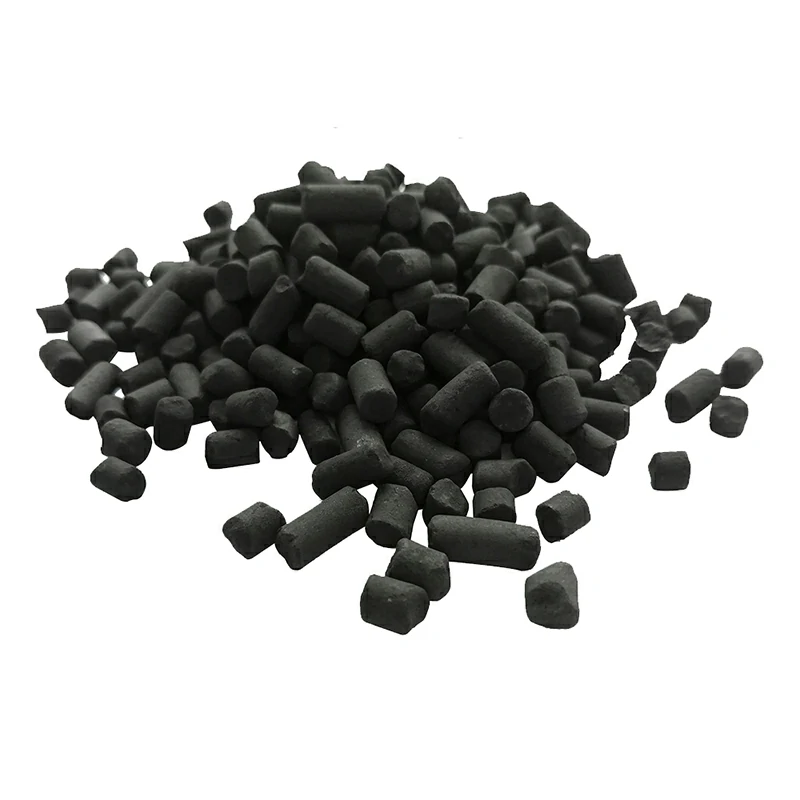
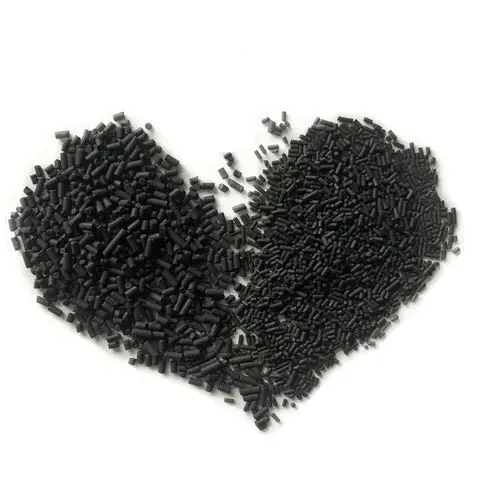
Preventing Carbon Molecular Sieve Poisoning in PSA Nitrogen Generators | CMS Manufacturer Guide
Learn how to prevent carbon molecular sieve poisoning in PSA nitrogen generators. Expert tips from a professional CMS manufacturer to extend service life, improve nitrogen purity, and protect your investment.
carbon-molecular-sieve-poisoning-prevention-psa-nitrogen-generator
Preventing Carbon Molecular Sieve Poisoning in PSA Nitrogen Generators
A Manufacturer’s Guide to Extending CMS Service Life and Nitrogen Purity
In modern industry, PSA nitrogen generators rely heavily on the performance of carbon molecular sieve (CMS). As the core adsorbent in Pressure Swing Adsorption (PSA) systems, CMS selectively adsorbs oxygen from compressed air to produce high-purity nitrogen.
However, one of the most common and costly issues in nitrogen generation systems is carbon molecular sieve poisoning. If not properly prevented, contamination can lead to:
-
Reduced nitrogen purity
-
Decreased adsorption capacity
-
Increased pressure drop
-
Shortened CMS service life
-
Higher operating costs
As a professional carbon molecular sieve manufacturer, we’ve supported hundreds of industrial nitrogen projects worldwide. In this guide, we explain the causes of CMS poisoning and provide practical, proven prevention strategies to protect your nitrogen generation investment.
What Is Carbon Molecular Sieve Poisoning?
Carbon molecular sieve poisoning occurs when contaminants block CMS micropores or chemically alter its surface structure. Since CMS performance depends on precise pore size distribution for oxygen adsorption, even minor contamination can significantly affect nitrogen output.
Main Causes of Carbon Molecular Sieve Poisoning
1. Moisture Contamination (Water Vapor)
Although CMS is relatively hydrophobic, excessive water vapor in compressed air can:
-
Condense inside micropores
-
Block oxygen adsorption channels
-
Cause particle agglomeration or powdering
-
Reduce nitrogen purity
High humidity is one of the leading causes of premature CMS failure.
2. Oil Contamination (Compressor Oil Carryover)
Oil is one of the most destructive contaminants in PSA systems.
Sources include:
-
Poor compressor sealing
-
Inefficient oil-water separation
-
Inadequate filtration
Oil molecules strongly adhere to CMS surfaces and penetrate micropores, resulting in:
-
Permanent adsorption site blockage
-
Irreversible performance decline
-
Shortened adsorbent lifespan
Once heavily oil-contaminated, CMS typically cannot be fully restored.
3. Dust and Particulate Contamination
Airborne dust, rust particles, and metal debris can:
-
Block bed void spaces
-
Increase pressure drop
-
Disrupt airflow distribution
-
Cause mechanical abrasion of CMS pellets
This leads to secondary powder generation and further system contamination.
4. Chemical Contaminants (H₂S, VOCs, Industrial Gases)
In industrial environments, compressed air may contain:
-
Hydrogen sulfide (H₂S)
-
Volatile organic compounds (VOCs)
-
Acidic gases
These substances can chemically react with CMS, damaging pore structures and causing irreversible chemical poisoning.
Proven Strategies to Prevent CMS Poisoning
1. Install a Multi-Stage Air Pretreatment System
Proper pretreatment is the first and most critical defense line in any PSA nitrogen generator system.
Aftercooler + Oil-Water Separator
-
Reduce air temperature below 40°C
-
Condense and remove bulk moisture and oil
-
Achieve ≥99% separation efficiency
High-Efficiency Precision Filters (0.01–0.1 μm)
-
Remove oil mist and fine particles
-
Prevent micro-contaminant breakthrough
Air Drying System
Depending on nitrogen purity requirements:
-
Refrigerated air dryer: Dew point 0°C to -10°C
-
Desiccant air dryer: Dew point -40°C to -70°C
For high-purity nitrogen (>99.99%), we strongly recommend ≤ -40°C pressure dew point.
2. Regular Maintenance & Consumable Replacement
Filter Element Replacement
-
Replace every 3–6 months
-
Or when pressure drop exceeds 0.1 MPa
Dryer Desiccant Regeneration
-
Ensure proper thermal or PSA regeneration
-
Replace saturated desiccant promptly
Compressor Inspection
-
Check seals and oil carryover
-
Verify oil-free compressor performance if applicable
Preventive maintenance dramatically extends CMS service life.
3. Control Operating Conditions
Maintaining stable operating parameters protects CMS integrity.
-
Inlet Temperature: 15–35°C
-
Inlet Pressure: 0.6–0.8 MPa
-
Pressure Fluctuation: ≤ ±0.05 MPa
-
Flow Rate: Avoid overload operation
Excessive temperature or flow can accelerate CMS degradation.
4. Targeted Removal of Special Contaminants
For industrial environments with chemical impurities:
-
Install activated carbon towers for VOC removal
-
Add desulfurization units for H₂S removal
-
Use catalytic oxidation systems if necessary
Custom pretreatment design ensures long-term CMS stability.
5. Proper Operation & Storage
During Startup
-
Purge system with dry nitrogen
-
Ensure no residual moisture remains
During Shutdown
-
Protect CMS beds with dry nitrogen sealing
-
Prevent humid air backflow
Storage
-
Keep new CMS sealed in moisture-proof packaging
-
Clean pipelines before installation
Improper storage alone can significantly reduce adsorbent lifespan.
Emergency Solutions for Contaminated Carbon Molecular Sieve
If poisoning occurs, treatment options depend on severity:
Mild Moisture Contamination
-
Hot nitrogen purge (150–200°C)
-
Several hours of thermal regeneration
Moderate Oil Contamination
-
Solvent washing (e.g., ethanol) followed by drying
-
Partial recovery possible
Severe Chemical or Oil Poisoning
-
Replace CMS
-
Thoroughly clean entire PSA system
-
Eliminate contamination source before restart
In most severe cases, replacement is more cost-effective than attempted recovery.
Why Choosing High-Quality Carbon Molecular Sieve Matters
Not all CMS products perform equally under challenging industrial conditions.
High-quality carbon molecular sieve should provide:
-
Uniform micropore distribution
-
High mechanical strength
-
Low dust generation
-
Stable adsorption capacity
-
Long service life (5–8 years under proper conditions)
As an experienced carbon molecular sieve manufacturer and supplier, we provide:
-
CMS for 95%–99.999% nitrogen purity
-
Custom solutions for PSA nitrogen generators
-
Strict quality control and batch consistency
-
Technical support for system design and troubleshooting
-
Global export experience
Final Thoughts
Carbon molecular sieve poisoning is preventable. With proper air pretreatment, regular maintenance, controlled operating conditions, and high-quality CMS material, your PSA nitrogen generator can deliver stable, high-purity nitrogen for years.
If you are looking for:
-
Reliable carbon molecular sieve supplier
-
Long-life CMS for nitrogen generators
-
OEM or bulk purchase solutions
-
Technical consultation for PSA system optimization
We are ready to support your project.
Contact us today to request technical specifications, samples, or a customized quotation for your nitrogen generation system.