PSA Nitrogen Generator Carbon Molecular Sieve Regeneration Pressure Guide | Manufacturer Technical Insights
Learn how to properly adjust regeneration pressure in PSA nitrogen generators. Expert guidance from a carbon molecular sieve manufacturer covering vacuum levels, purity optimization, energy efficiency, and system longevity.
How to Adjust Regeneration Pressure in PSA Nitrogen Generators
Technical Guide from a Carbon Molecular Sieve Manufacturer
In a PSA nitrogen generator, regeneration pressure control is one of the most critical parameters affecting nitrogen purity, production efficiency, and carbon molecular sieve (CMS) lifespan.
As a professional carbon molecular sieve manufacturer, we often see that improper regeneration pressure leads to:
- Nitrogen purity instability
- Increased compressed air consumption
- Higher energy costs
- Premature CMS powdering or failure
In this guide, we explain how regeneration pressure works, recommended operating ranges, and how to optimize it for different nitrogen purity requirements — helping you maximize performance while extending the life of your carbon molecular sieve.
1. PSA Nitrogen Generation Principle: Why Regeneration Pressure Matters
PSA (Pressure Swing Adsorption) nitrogen generators operate on a simple cycle:
High-pressure adsorption → Low-pressure regeneration
Carbon molecular sieve selectively adsorbs oxygen, moisture, and trace CO₂ from compressed air under pressure. During regeneration, the pressure inside the adsorption tower is reduced to release the adsorbed gases and restore CMS adsorption capacity.
The effectiveness of this pressure reduction directly determines:
- Oxygen desorption efficiency
- Nitrogen purity stability
- Adsorption capacity recovery
- CMS service life
If regeneration pressure is too high, oxygen is not fully desorbed.
If too low, unnecessary stress and energy consumption occur.
2. Regeneration Pressure Targets in PSA Nitrogen Systems
The correct regeneration pressure depends on four key factors:
1️⃣ Adsorption Pressure
Typical adsorption pressure: 0.6–0.8 MPa (gauge)
Higher adsorption pressure requires lower regeneration pressure for effective desorption.
2️⃣ Required Nitrogen Purity
| Nitrogen Purity | Recommended Regeneration Pressure |
|---|---|
| 95–99.5% | Atmospheric pressure (0 MPa gauge) |
| 99.5–99.9% | -0.02 to -0.05 MPa (micro vacuum) |
| ≥99.99% | -0.06 to -0.08 MPa (vacuum regeneration) |
Higher purity nitrogen requires deeper regeneration.
3️⃣ CMS Condition
- New CMS: Strong adsorption → moderate regeneration pressure acceptable
- Aging CMS: Lower activity → slightly deeper regeneration improves recovery
- Powdering CMS: Avoid excessive vacuum
4️⃣ Ambient Humidity
High moisture environments increase water adsorption. Deeper regeneration (micro vacuum) helps remove moisture effectively.
3. Two Main Regeneration Methods
3.1 Atmospheric or Micro-Vacuum Regeneration
Application:
- Small and medium PSA nitrogen generators
- Nitrogen purity ≤ 99.9%
Pressure Range:
- 0 MPa (atmospheric)
- -0.02 to -0.05 MPa
Adjustment Method:
Control exhaust valve opening to gradually reduce tower pressure.
⚠ Recommended pressure drop rate:
≤ 0.1 MPa per minute
Sudden pressure drop can cause CMS mechanical stress and particle breakage.
3.2 Vacuum Regeneration
Application:
- Large industrial nitrogen plants
- High purity nitrogen ≥ 99.99%
Pressure Range:
- -0.06 to -0.08 MPa
- Absolute pressure: 0.02–0.04 MPa
Adjustment Method:
Control vacuum pump inlet valve to maintain stable vacuum level.
⚠ Avoid excessive vacuum below -0.09 MPa
Over-vacuuming can:
- Damage CMS microporous structure
- Accelerate powdering
- Increase energy consumption
4. Best Practices for Regeneration Pressure Optimization
As an experienced CMS supplier serving global nitrogen generator manufacturers, we recommend:
✅ Gradual Adjustment
Adjust pressure in steps of ≤0.01 MPa
Observe 1–2 full PSA cycles before further modification.
✅ Real-Time Monitoring
Use:
- Online nitrogen purity analyzer
- Pressure sensors
- Flow meters
Monitor regeneration pressure curve stability.
✅ Valve Integrity Check
Leakage from:
- Exhaust valves
- Vacuum valves
- Pneumatic control systems
Can cause unstable regeneration pressure. Regular leak testing is essential.
✅ Match Regeneration Time
Lower regeneration pressure may allow shorter regeneration time.
Pressure and time must be balanced for optimal productivity.
✅ Avoid Frequent Parameter Changes
Stable systems produce stable nitrogen purity and longer CMS life.
5. Common Problems & Solutions
Problem 1: Nitrogen Purity Drops
Cause: Regeneration pressure too high
Solution: Slightly lower regeneration pressure and monitor purity recovery
Problem 2: Excessive Energy Consumption
Cause: Regeneration pressure too low
Solution: Increase pressure slightly while maintaining required purity
Problem 3: CMS Powdering
Cause:
- Sudden pressure drop
- Excessive vacuum
- Poor airflow distribution
Solution:
- Control pressure drop rate
- Maintain recommended vacuum range
- Inspect air distribution system
6. How Proper Regeneration Extends Carbon Molecular Sieve Life
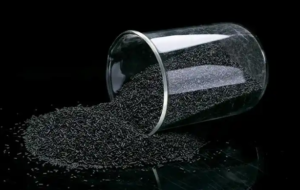
Correct regeneration pressure:
- Ensures complete oxygen desorption
- Prevents residual contamination
- Reduces mechanical stress
- Improves nitrogen purity consistency
- Extends CMS service life by 20–30%
Improper pressure control is one of the top reasons for premature CMS replacement in PSA nitrogen generators.
7. Why Choosing High-Quality Carbon Molecular Sieve Matters
Even with perfect regeneration control, CMS quality determines long-term system performance.
As a professional manufacturer, our carbon molecular sieve features:
- High nitrogen selectivity
- Uniform micropore distribution
- Strong mechanical strength
- Low attrition rate
- Stable long-term performance
We provide customized CMS solutions for:
- 95%–99.999% nitrogen systems
- Small on-site generators
- Large industrial nitrogen plants
- Oxygen removal applications
Conclusion
Regeneration pressure is not just a parameter — it is a core control factor that determines PSA nitrogen generator efficiency, nitrogen purity, energy consumption, and carbon molecular sieve lifespan.
By optimizing regeneration pressure within proper ranges and using high-quality CMS, nitrogen system operators can achieve:
- Stable high purity nitrogen
- Lower operational cost
- Longer CMS service life
- Higher ROI
If you are a nitrogen generator manufacturer, distributor, or industrial gas company looking for reliable carbon molecular sieve supply, feel free to contact us for technical consultation and product samples.
We support global OEM and bulk supply with consistent quality and competitive pricing.